
Medical Wristbands: Specs, Compliance & Sourcing Checklist
Medical Wristbands: Specs, Compliance & Sourcing Checklist
Short answer: a medical wristband is a band worn on a patient’s wrist that carries identifying data — name, medical record number, allergy or risk flags, and often a barcode or RFID credential — so that clinicians can confirm identity before medication, transfusion, surgery or sample collection. Because these bands sit inside a patient-safety workflow, they are bought against constraints rather than preferences: which regulatory regime applies, which substrate and print method survive the ward environment, and which supply parameters keep the ward stocked.
This guide is written for hospital procurement teams, clinic and nursing-home administrators, and distributors evaluating medical wristbands for the first time or re-tendering an existing specification. It follows the order in which a real evaluation happens: define the constraint, verify the evidence, then confirm the supply terms. Product references throughout come from the DDJOY-Medical Wristbands range manufactured by Shanghai Dingba Identification Co., Ltd., a Shanghai-based producer of wristbands and RFID products founded in 2010.
Problem Definition: Three Constraints Decide a Medical Wristband Order
Most failed wristband projects are not caused by a defective band. They are caused by a constraint that never made it into the purchase specification. In practice, three constraint groups do the damage.
1. Regulatory scope
The first question is whether the product you are buying is regulated as a medical device. At EU level this was clarified with effect from 2 July 2026, when the Court of Justice of the European Union ruled in Case C-427/24 that blank patient wristbands are not classified as medical devices under EU MDR 2017/745. The practical consequence is that a blank band is treated as an identification tool, while the intended purpose declared by the hospital — the printed patient data, the software that writes it and the way it is used — remains inside the hospital’s own quality and information governance system. A supplier that cannot separate those two layers will give an ambiguous answer during an audit.
2. Specification-to-hardware fit
A band must match the printer, the scanner and the wear duration of the department that will use it. Direct thermal wristbands print without ink or ribbon, which means the ward’s existing direct thermal printer becomes part of the specification. A PVC or silicone RFID band serves a different purpose and needs a reader rather than a printer. Material compliance sits in the same layer: the EU RoHS Certificate of Compliance held for the paper wristband format addresses restricted substances under Directive (EU) 2015/863 and (EU) 2017/2102 amending Directive 2011/65/EU.
3. Supply parameters
Minimum order quantity, lead time and restock behaviour decide whether a specification can actually be sustained. A band that is technically correct but arrives late creates a workaround at the bedside, and workarounds are where identification errors begin.
- Print fading after alcohol-based hand rub, bathing or repeated handling.
- Bands removed and reattached without leaving visible evidence.
- Adult sizes used on low-birth-weight infants because no smaller size was specified.
- A barcode that will not scan because print density was chosen for appearance rather than for the bedside scanner.
- A compliance certificate presented for a different format than the one being ordered.
- Artwork or size changes raised after printing has started, which is one of the recognised causes of delivery delay.
Industry Background: Two Published Market Sizes and a Moving Rulebook
Published estimates for patient identification wristbands do not agree with each other, and the reason matters when a buyer is building a business case. Future Market Insights projects the global patient identification wristbands market at USD 576.1 million in 2025. Precedence Research estimates the same market at USD 1.61 billion for 2025. The gap is a definitional one — blank bands versus printed and system-integrated products — rather than a simple error, which is why a specification should state whether it is buying a consumable band or a band plus identity workflow.
Regional and supplier concentration data points in the same direction. Precedence Research places North America at a 41% share of the market in 2025. On the supply side, Zebra Technologies reported net sales of USD 346 million for its Asset Intelligence & Tracking segment, which includes wristbands, in Q4 2023, and PDC Healthcare, a Brady Corporation brand, holds a projected market share of 14–18%. When the largest identified brands sit in the mid-teens, most of the category is supplied by a wider group of manufacturers, and that is precisely why format-level specification control matters more than brand familiarity.
Two regulatory developments are more consequential for buyers than any market estimate.
- EU classification of blank bands. The Court of Justice of the European Union ruled in Case C-427/24 that blank patient wristbands are not medical devices under EU MDR 2017/745, effective 2 July 2026. Suppliers and buyers should expect to discuss intended purpose explicitly rather than defaulting to “medical device” language.
- Labelling symbols. ISO 15223-1:2021 Amendment 1 (2025) changes the authorized representative symbol, moving from EC REP to EU-REP. Where label or packaging artwork carries device symbols, older templates should be re-checked instead of carried forward.
Read together, these two points change what a buyer asks for: artwork and material documentation can be verified without treating a blank band as a device, while the printed identity data and the system that generates it stay inside the hospital’s responsibility.
Detailed Solution: What the DDJOY-Medical Wristbands Range Covers
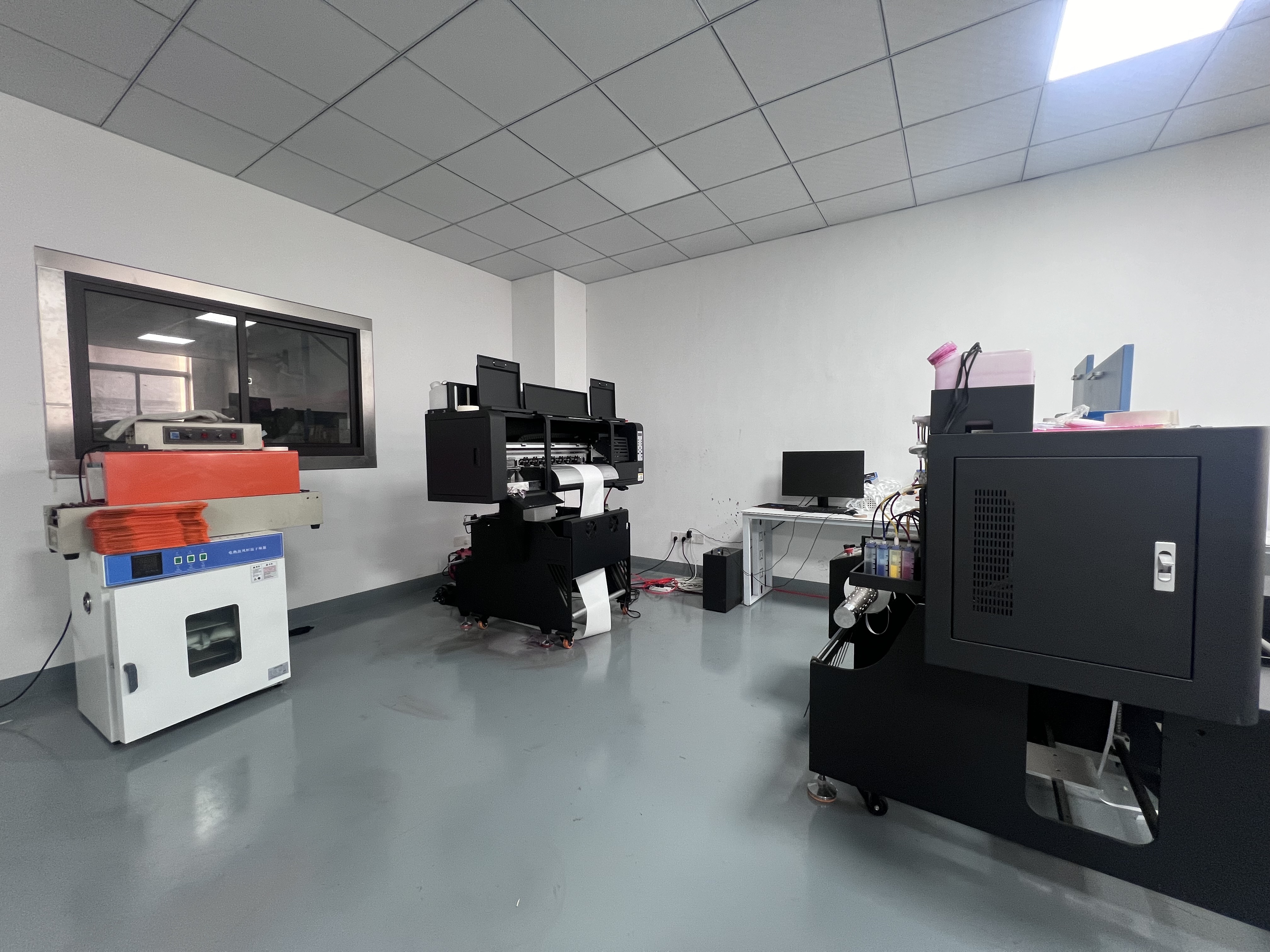
DDJOY-Medical Wristbands is the patient identification product family made by Shanghai Dingba Identification Co., Ltd., a company founded in 2010 with a 10,000 m² facility in Shanghai, more than 50 employees, a five-engineer R&D team and an annual output of 12,000,000 units. Approximately 70% of production is exported, primarily to the EU and USA, and the company has obtained ISO 9001 certification along with on-site verification from Alibaba and SGS.
Formats and their hard specifications
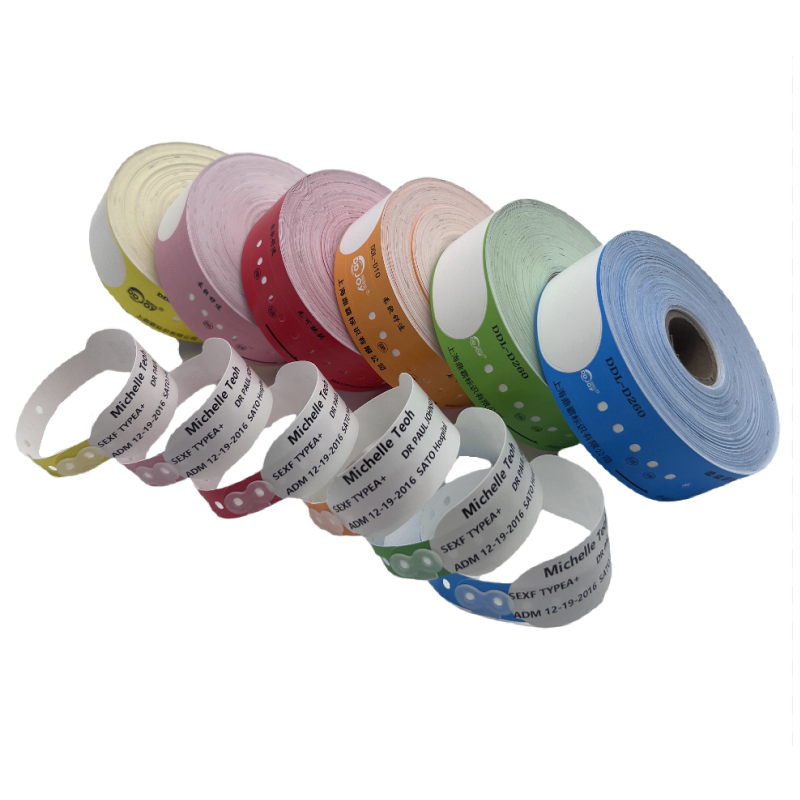
- Medical thermal wristband — thermal-sensitive synthetic paper, direct thermal printing with no ink required, standard size 260 × 25 mm with custom sizes available, water-resistant and tear-resistant, patient information printable, disposable. Intended for hospitals, medical clinics, healthcare institutions and patient management, and matched to a direct thermal printer.
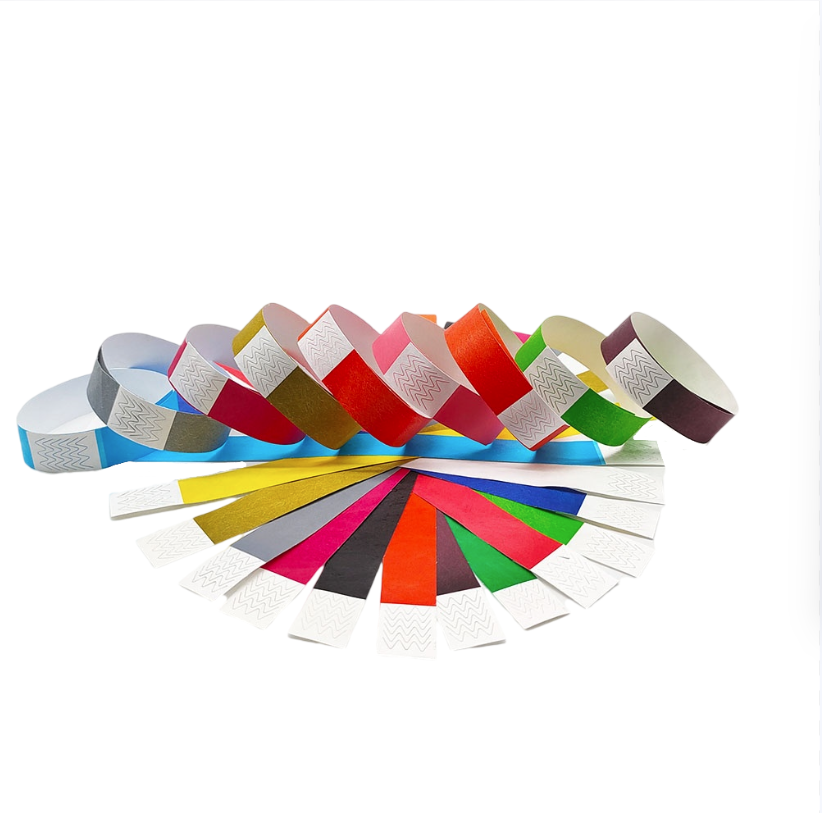
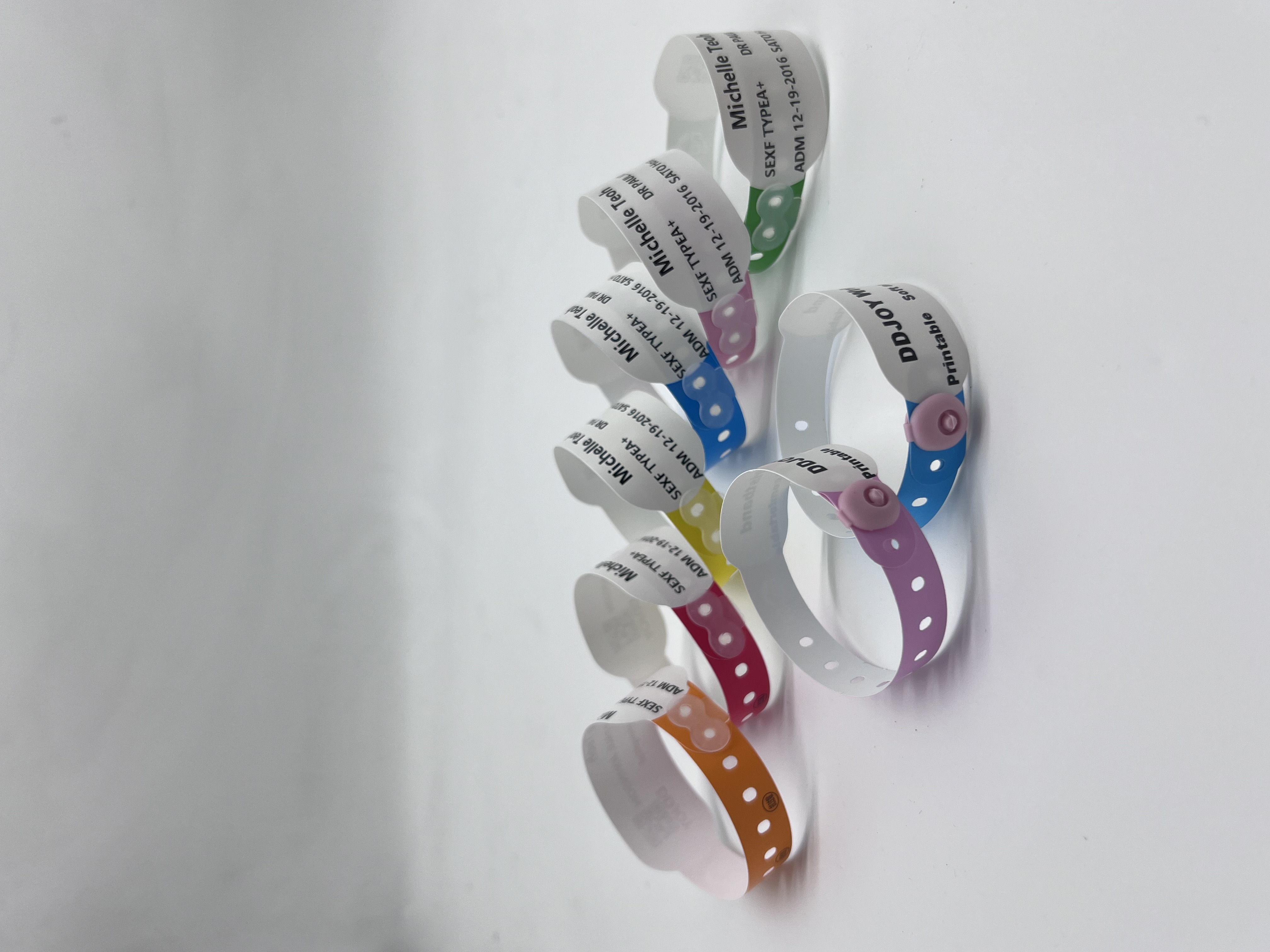
- Tyvek Wristband — 250 × 19 mm and 250 × 25 mm, disposable, tear-resistant and waterproof, with clear printing.
- PVC Patient ID Wristband — 250 × 25 mm and 250 × 16 mm, printable patient information, durable and waterproof, comfortable for long-term wear, positioned for hospitals and elderly care institutions.
- PVC 1 or 2-layer Wristband — the same two sizes, single or double layer structure for different durability needs, with logo and text printing.
- PVC+Tab Wristband — 260 × 40 mm in durable PVC with a tab buckle for a firm fit, with vibrant custom pattern printing.
- RFID Wristband — built-in RFID chip in low frequency, high frequency or ultra-high frequency, readable and writable, available in silicone, PVC, Tyvek or paper, in 250 × 25 mm, 250 × 16 mm and other specifications.
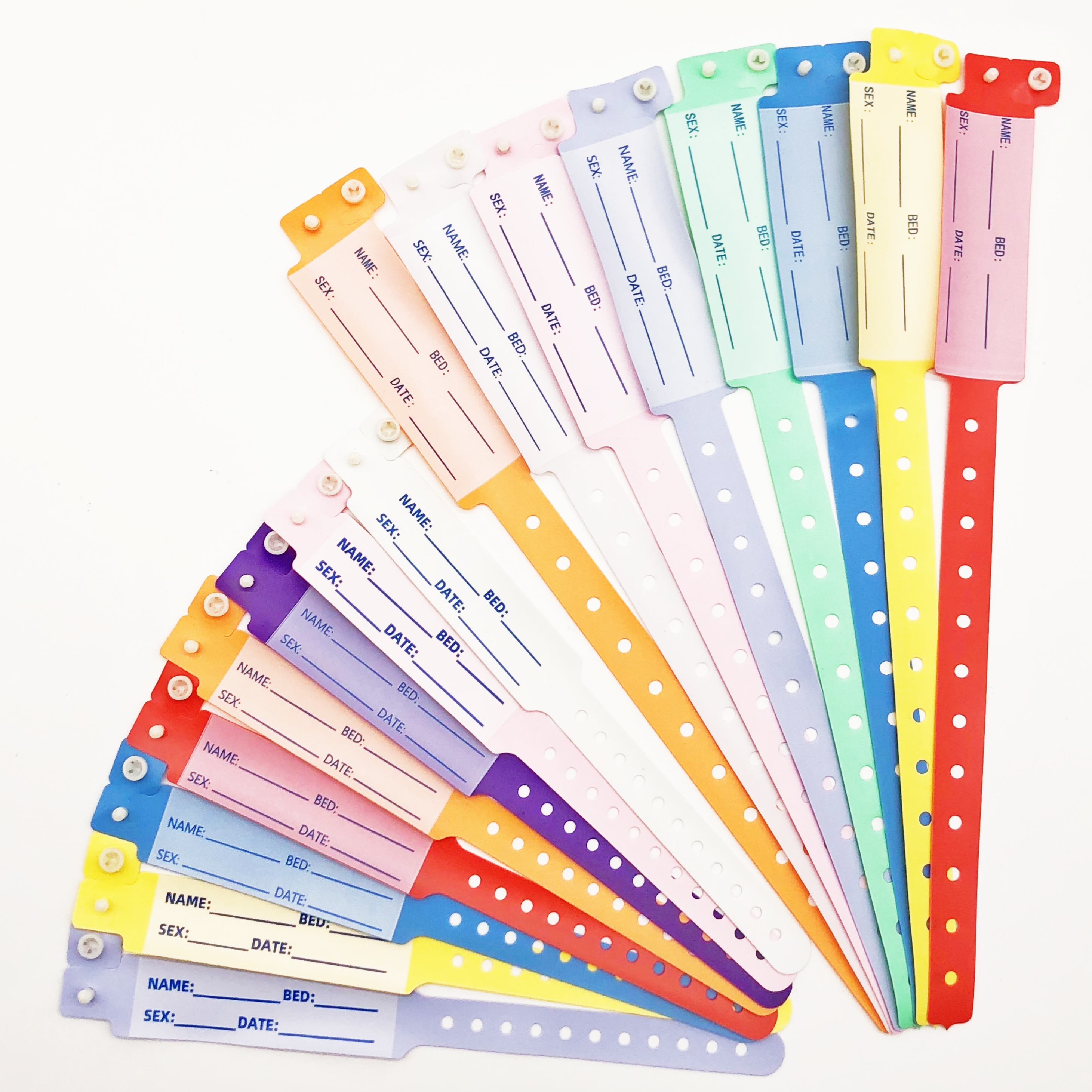
Sizes are not limited to the standard list. The thermal format is customizable beyond 260 × 25 mm, so infant, paediatric and bariatric circumferences are specified rather than selected from a stock list. That matters for baby identification wristbands, where the binding constraint is usually a smaller circumference combined with a soft substrate edge rather than a different printing technology.
Compliance evidence you can request today
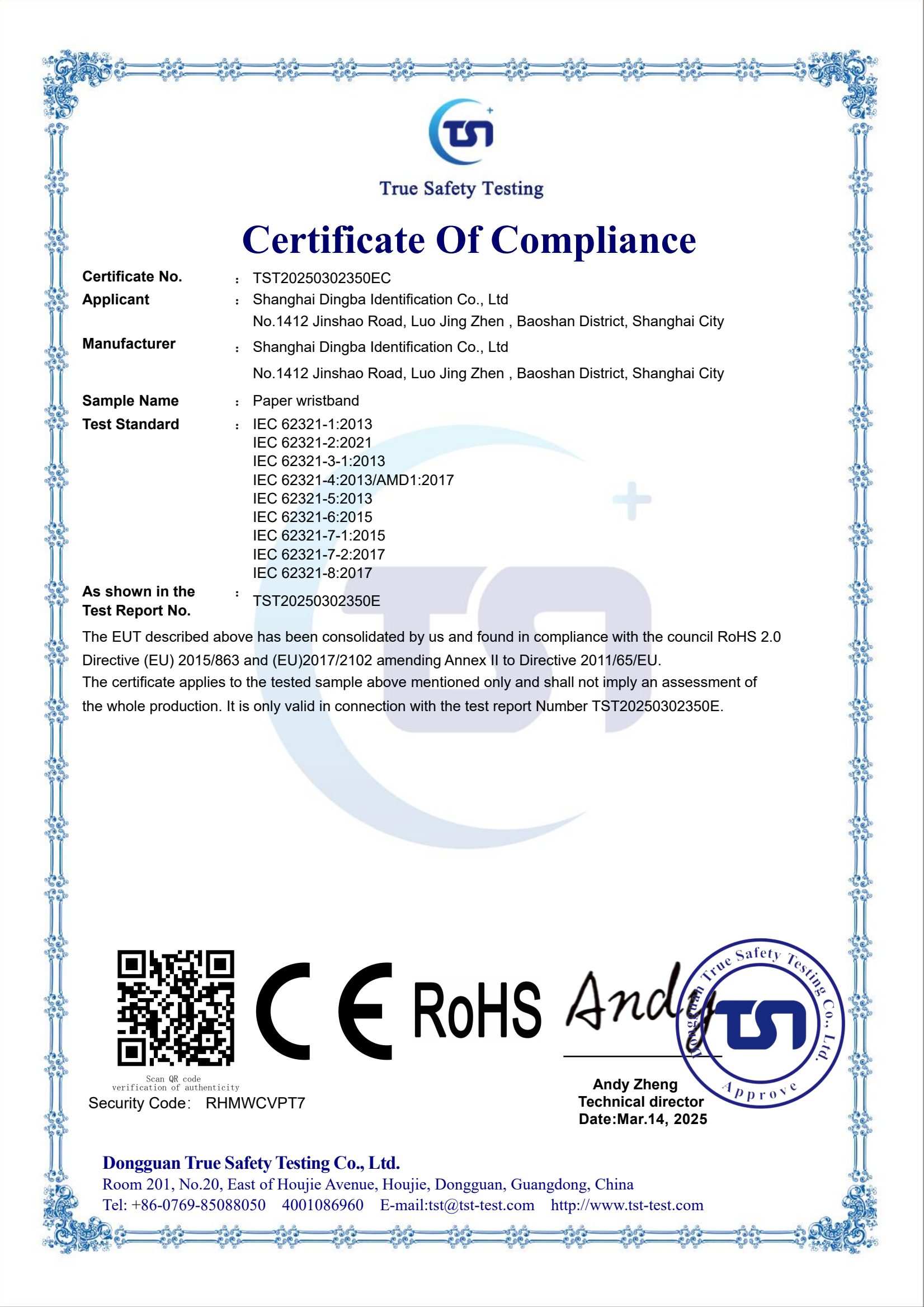
The paper wristband format supplied by Shanghai Dingba Identification Co., Ltd. holds an EU RoHS Certificate of Compliance numbered TST20250302350EC, issued on 14 March 2025 by Dongguan True Safety Testing Co., Ltd. and valid to 14 March 2099 for the EU market. The certificate covers compliance with RoHS 2.0 restricted-substance requirements under Directive (EU) 2015/863 and (EU) 2017/2102 amending Directive 2011/65/EU, tested against IEC 62321-1:2013; IEC 62321-2:2021; IEC 62321-3-1:2013; IEC 62321-4:2013/AMD1:2017; IEC 62321-5:2013; IEC 62321-6:2015; IEC 62321-7-1:2015; IEC 62321-7-2:2017; and IEC 62321-8:2017.
Note the scope carefully. The certificate above applies to the paper wristband format, so if a specification uses a PVC or silicone RFID band, the buyer should ask which document covers that format instead of assuming the paper certificate transfers.
Supply parameters and known risk points
Minimum order quantity for the range is 1,000 units, with OEM production and logo customization available, 100% testing, a standard lead time of 7–10 working days and remote after-sales support. Manufacturing capacity is supported by a 10,000 m² facility and an annual output of 12,000,000 units, with export markets covering the EU, USA and Middle East and shipments to more than 100 countries and regions.
Lead-time risk in this category is well understood: raw material shortages in PVC, Tyvek and RFID chips; a surge of large-volume orders beyond reserved capacity; internal equipment or labour constraints; repeated rework caused by process defects; late specification or artwork revisions from the buyer; and logistics or force-majeure events such as port congestion. The mitigations used in this production base are advance production scheduling, reserved monthly capacity for large orders, and rush production for urgent lines.
Where tamper evidence is the deciding criterion, one further reference point from the same production base: a 120,000-piece custom printed wristband deployment for an event organiser reported 40% faster on-site check-in and zero counterfeit admission incidents, built on a tamper-proof one-time closure, tear-resistant and waterproof material and full-colour custom printing.
Step-by-Step: Seven Checks Before You Release a Medical Wristband Order
- Write the intended purpose and the department list. Admission, emergency, ICU, isolation, outpatient, surgical and nursing-home use are different constraints on the same product. Output of this step is a simple mapping of department → wear duration → substrate.
- Select the substrate by exposure, not by price alone. Single-use disposable scenarios point to Tyvek or thermal paper; multi-day wear points to PVC; contactless identification points to RFID in silicone, PVC, Tyvek or paper.
- Match the print or encode method to the hardware on the ward. Direct thermal printing needs no ink or ribbon and runs on a direct thermal printer, which makes the ward printer part of the specification. RFID requires a reader and a decision on low, high or ultra-high frequency.
- Verify the compliance document against the exact format ordered. Check that the certificate number, issuing laboratory, standard list and market scope all name the format in your specification.
- Check closure and tamper evidence. A one-time lock closure cannot be reattached invisibly; a tab buckle gives a firm fit for active departments; an adhesive or clip closure is a different risk profile.
- Validate size, legibility and skin comfort on the ward. Test print survival against the sanitizers and bathing routine actually used, test scan rate at the bedside scanner, and check edge softness over the real wear duration, especially for infants, ICU and long-stay elderly patients.
- Lock the commercial parameters and freeze the artwork. Confirm MOQ, lead time and reorder trigger against your par level, then freeze artwork and sizes before production starts, because late specification revisions are a recognised delay cause rather than an unexpected event.
Use Cases: Which Constraint Dominates in Each Setting
- Hospital admission wristbands. Volume and print speed dominate. Direct thermal printing removes ink and ribbon inventory, and the 260 × 25 mm thermal format is the one matched to a direct thermal printer.
- Emergency wristbands. Rapid re-identification under movement. Tab-buckle PVC and tear-resistant substrates hold up better than lightweight bands during transfer and resuscitation.
- ICU patient wristbands. Contactless verification and hygiene. An RFID band with a readable and writable chip, combined with a waterproof substrate, supports bedside workflows without handling the band.
- Isolation ward wristbands. Disposal is the constraint. The documented requirement for a custom patient identification project is waterproof, tear-resistant, disposable and skin-safe material.
- Nursing home and elderly care wristbands. Long-term wear comfort. Durable, waterproof PVC with printable patient information is the format positioned for elderly care institutions.
- Outpatient and clinic wristbands. Short encounters. Disposable Tyvek with clear printing keeps single-visit cost and disposal simple.
- Hospital admission through surgery and diagnostics. Barcode scanning before a procedure depends on print resolution rather than on marketing claims; a tamper-evident closure prevents silent band swapping between checkpoints.
- Baby identification wristbands. The constraint is physical, not digital: smaller circumference, soft substrate and edge profile. Because the thermal format accepts custom sizes, infant sizing is specified rather than improvised.
Comparison Table: Medical Wristband Formats by Constraint
The table below compares formats within the DDJOY-Medical Wristbands range on the criteria that a hospital evaluation actually tests: substrate, size, print or encode method, durability and the settings the format is intended for.
| Format | Material | Size (mm) | Print / Encode | Durability & Closure | Intended Setting |
|---|---|---|---|---|---|
| Medical thermal wristband | Thermal-sensitive synthetic paper | 260 × 25 (customizable) | Direct thermal printing, no ink required | Water-resistant, tear-resistant, disposable | Hospitals, medical clinics, healthcare institutions, patient management |
| Tyvek Wristband | Tyvek | 250 × 19 / 250 × 25 | Clear printing | Disposable, tear-resistant, waterproof | Hospitals, exhibitions, events, ticketing |
| PVC Patient ID Wristband | PVC | 250 × 25 / 250 × 16 | Printable patient information | Durable, waterproof, comfortable long wear | Hospitals, elderly care institutions |
| PVC 1 or 2-layer Wristband | PVC | 250 × 25 / 250 × 16 | Logo / text printing | Single or double layer for different durability needs | Hospitals, events, enterprises, entertainment venues |
| PVC+Tab Wristband | PVC | 260 × 40 | Pattern printing | Tab buckle, firm to wear | Hospitals, events, concerts, nightclubs |
| RFID Wristband | Silicone, PVC, Tyvek, paper | 250 × 25 / 250 × 16 and other specifications | Built-in LF / HF / UHF chip, readable and writable | Depends on selected material | Medical, events, access control, logistics and warehousing, member management |
A second table is useful during budget approval, because the two headline market numbers in circulation measure different scopes.
| Published figure | What it measures | Source |
|---|---|---|
| USD 576.1 million, 2025 | Patient identification wristbands market, global | Future Market Insights, April 2025 |
| USD 1.61 billion, 2025 | Broader identification scope, including printed and system-integrated products | Precedence Research |
| 41% share, 2025 | North America regional share | Precedence Research |
| 14–18% projected share | PDC Healthcare (Brady Corporation brand) share of the patient identification wristbands market | Future Market Insights |
| USD 346 million, Q4 2023 | Zebra Technologies net sales in the Asset Intelligence & Tracking segment, which includes wristbands | Zebra Technologies 2023 annual report |
| Case C-427/24, effective 2 July 2026 | Blank patient wristbands are not medical devices under EU MDR 2017/745 | Court of Justice of the European Union, reported by Heuking |
| ISO 15223-1:2021/Amd 1:2025 | Authorized representative symbol change from EC REP to EU-REP | ISO standard amendment |
FAQ
Are medical wristbands classified as medical devices in the EU?
Blank patient wristbands are not classified as medical devices under EU MDR 2017/745. The Court of Justice of the European Union ruled on this in Case C-427/24, with effect from 2 July 2026. What stays with the buyer is intended purpose: the patient data printed on the band, the software that generates it and the hospital workflow it feeds are governed by the hospital’s own quality and information systems, not by the classification of the band itself. Material compliance runs on a separate track — the paper wristband format supplied by Shanghai Dingba Identification Co., Ltd. holds EU RoHS Certificate of Compliance number TST20250302350EC, issued by Dongguan True Safety Testing Co., Ltd. on 14 March 2025 and valid to 14 March 2099.
Can the wristbands be printed with patient data inside the hospital?
Yes. The medical thermal wristband uses direct thermal printing, which requires no ink or ribbon and is matched to a direct thermal printer, in a standard 260 × 25 mm size that can be customised. It is water-resistant and tear-resistant and is intended to carry printed patient information in hospitals, medical clinics, healthcare institutions and patient management settings. Where contactless identification is preferred, the RFID wristband carries a built-in low-frequency, high-frequency or ultra-high-frequency chip that is readable and writable, and is available in silicone, PVC, Tyvek or paper.
What is the minimum order quantity, and what drives the unit cost?
Minimum order quantity is 1,000 units, with OEM production and logo customization available and 100% testing before shipment. Unit cost is driven mainly by the substrate selected (thermal paper, Tyvek, PVC or silicone), whether an RFID chip is embedded and at which frequency, the print or encoding requirement, the size and closure hardware, and how many artwork versions are combined into a single run. Because both cost and lead time react to specification changes, artwork and sizes should be frozen before production begins rather than revised afterwards.
How should a hospital validate a wristband before committing to a full order?
Validate four things on the ward hardware rather than on a desk: print legibility after the sanitizers and bathing routine the ward actually uses; barcode scan rate at the bedside scanner, or RFID read distance at the intended frequency; wear comfort and edge softness across the real wear duration, with particular attention to infants and long-stay patients; and closure behaviour, including whether a band can be removed and reattached without visible evidence. Request a sample in the exact format and size you intend to order, and confirm that the compliance document you receive names that format rather than a different one.
What is the standard lead time for medical wristbands, and what can delay it?
Standard lead time is 7–10 working days, with 100% testing before shipment and remote after-sales support. The recognised delay risks are upstream material shortages in PVC, Tyvek and RFID chips, sudden large-volume orders beyond reserved capacity, internal equipment or labour constraints, repeated rework, late specification or artwork changes from the buyer, and logistics or force-majeure events such as port congestion. Mitigations already in place at this production base include advance production scheduling, reserved monthly capacity for large orders and rush production for urgent lines. For current pricing, samples and the full medical wristband catalogue, contact Olivia Kwo at DDJOY02@163.com or +86 13636648748 (WhatsApp available on the same number), or download the company brochure for specifications: Shanghai Dingba Identification product brochure (PDF).
Conclusion: Constraint First, Then Confidence
Medical wristbands are decided by three constraints — regulatory scope, physical and print specification, and supply parameters — and a supplier is only as useful as the evidence it can produce against each one. A blank band is not a medical device under EU MDR 2017/745 following Case C-427/24, but the printed identity data remains part of the hospital workflow, so the working question is narrower and more practical: do the format, the printing method and the compliance document line up for the department that will use the band?
DDJOY-Medical Wristbands, manufactured by Shanghai Dingba Identification Co., Ltd., covers thermal, Tyvek, PVC and RFID formats with custom sizing, a 1,000-unit minimum order quantity, a 7–10 working-day standard lead time and EU RoHS documentation for the paper format. The company is ISO 9001 certified and has undergone on-site verification by Alibaba and SGS. Full product information is available at www.ddlf.com, and the complete brochure can be downloaded here: DDJOY-Medical Wristbands product brochure (PDF).
Next Step: Sample and Specification Sheet
Send your department list, wear duration and print method, and request a sample in the format you intend to order — thermal, Tyvek, PVC or RFID — together with the specification sheet for that exact format.
Contact: Olivia Kwo · Email: DDJOY02@163.com · Tel / WhatsApp: +86 13636648748 · Address: Shanghai, China

Have Questions or Need More Details?
Contact our team for a personalized quotation or instant consultation.
Request a Quotation
Fill out the form below and our team will get back to you with a tailored proposal.
WhatsApp Direct Chat
Prefer to chat in real-time? Message us on WhatsApp for instant assistance & quick answers.
- Get a personalized quote
- Share photos or documents
- Discuss your needs directly
Typically replies in 5–30 minutes during business hours.