
Medical Thermal Wristbands: Technical Parameters and Selection Criteria Explained
A medical thermal wristband is a disposable patient identification band made from thermal-sensitive synthetic paper and printed by direct thermal printing, which means the patient data is generated by heat rather than ink. The standard format is 260*25mm, and both dimensions and print layout can be customized. Because the band requires no ink and no ribbon, it can be produced on a direct thermal printer at the point of hospital admission, worn through a patient episode, and discarded after use.
This guide is written for the people who have to turn that description into a purchasing document: hospital procurement teams, nursing informatics staff, clinical engineering, and distributors specifying on behalf of clinic or care-home groups. Each section below explains one verifiable parameter, states what that parameter means in clinical practice, and shows how it should be written into a tender, a repeat order or a long-term supplier evaluation.
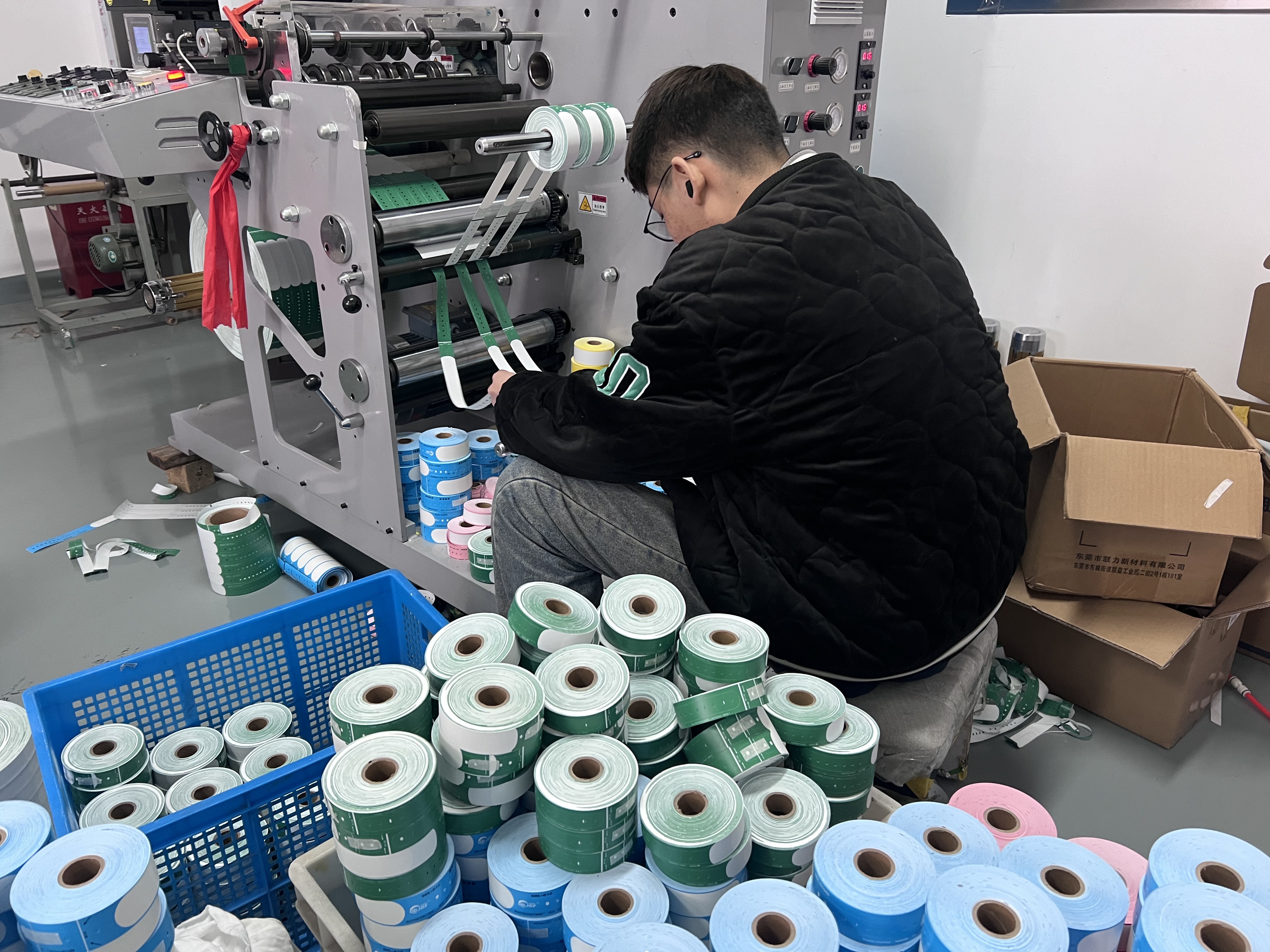
Figure 1 — Cover: the die-cutting stage, where thermal-sensitive synthetic paper stock is converted into finished wristband formats.
Problem Definition: The Wristband Is the Identity Record at the Point of Care
A wristband is a wearable band worn on the wrist and used for patient identification, event access control, visitor management and medical information recording. In a hospital it is the physical object that links a patient to a record, a medication, a specimen and a procedure. When the band fails, the identification chain fails with it.
That is why the failure modes of an identification band are clinical rather than clerical. Hand-written bands depend on the handwriting, the pen and the lighting in the room, and they can be incomplete, smudged or altered after the fact. Bands that are not water-resistant lose legibility after washing and routine clinical exposure. Bands without a tamper-evident closure can be removed and re-attached, which breaks the link between the band and the patient for whom it was issued.
Hospitals that treat wristbands as a generic consumable usually meet the same three problems later. First, the specification was inherited from an earlier order and never reviewed against current clinical requirements. Second, the band was never trialled with the printer already installed on the ward. Third, the supply assumption did not survive a change of supplier or a sudden increase in demand. A written parameter list addresses the first problem, a printer trial addresses the second, and a structured long-term supplier evaluation addresses the third.
Industry Background: A Mature Category Under Active Regulatory Review
Patient identification wristbands are an established consumable category with measurable global value. Future Market Insights projects the global patient identification wristbands market to reach USD 576.1 million in 2025, and Precedence Research reports that North America held a 41% share in 2025. Buyers building a business case should note that baseline market estimates differ materially by scope: one commercial source places the 2025 market at USD 1.61 billion, while another places it at USD 576 million. The gap appears to come from whether blank identification bands alone are counted, or whether printed and system-integrated identification products are counted together. Whichever figure is cited internally, the scope definition should be stated alongside it.
The supply side is also broader than many hospital buyers assume. Zebra Technologies reported net sales of USD 346 million in Q4 2023 for its Asset Intelligence & Tracking segment, which includes wristbands, and PDC Healthcare has been projected at a 14–18% market share by one commercial research provider. The practical implication for a specification team is that the category is served both by large tracking and identification corporations and by specialist converters, and the technical parameters — not the brand tier — determine whether a band suits a given ward.
Regulatory treatment of the product itself has been clarified in the European Union. The Court of Justice of the European Union ruled that blank patient wristbands are not classified as medical devices under EU MDR 2017/745 (Case C-427/24), effective 2 July 2026, and the decision turns on intended purpose. For a specifier this means the regulatory position of a band depends on what the band is declared to do, not only on what it is made of. Labelling symbols are moving in parallel: ISO 15223-1:2021 Amendment 1 (2025) updates the authorised representative symbol from EC REP to EU-REP, so existing label artwork should be checked rather than assumed to remain valid.
The Technical Parameters of a Medical Thermal Wristband
Answer first: a medical thermal wristband is defined by five parameters — substrate (thermal-sensitive synthetic paper), print method (direct thermal printing, no ink required), format (260*25mm standard, customizable), durability (water-resistant and tear-resistant), and use model (disposable, patient information printable). MOQ for this product line is 1000 units, and standard product lead time is 7–10 working days.
Parameter 1 — Substrate: Thermal-Sensitive Synthetic Paper
The material is the parameter that determines how the band behaves when it is printed, worn and wetted. Synthetic paper with a thermal-sensitive coating accepts an image when heat is applied to its surface, which is why the band does not need an ink layer, a ribbon or a laminating pouch to carry readable text. For hospitals, the practical consequence is a printable surface that can carry patient information directly, and a band that stays light and flexible enough to be worn continuously through an admission.
When this parameter is written into a specification, the substrate should be named explicitly. A specification that says only "printable wristband" allows a supplier to substitute a different material construction, and the printed result may then behave differently on the ward printer.
Parameter 2 — Print Method: Direct Thermal Printing With No Ink Requirement
Direct thermal printing is the print method of this product, and it is the single most important operational difference between a thermal band and a hand-written PVC band. Data is printed onto the band by the printer itself, so the legibility of the band no longer depends on handwriting, and the data cannot be altered with a pen without visibly damaging the surface.
The matched equipment for this product is a direct thermal printer. That pairing is normally already present in hospitals, because direct thermal printing is widely used for specimen labels, pharmacy labels and admission documentation. Before a specification is finalised, the exact printer models used at each point of admission should be listed, and a trial roll should be run on those models rather than on a supplier's demonstration unit.
Parameter 3 — Format: 260*25mm Standard, Customization Available
The standard size for the medical thermal wristband is 260*25mm, with customization available. Treat the standard size as the default and the customization option as a documented requirement, because different wards present different constraints: adult inpatient bands, smaller bands for paediatric or newborn use, and bands that must accommodate a barcode or a longer patient name field.
Adjacent formats in the same product family can be used where the print or data requirement differs. An RFID wristband with a built-in chip (low frequency, high frequency or ultra-high frequency optional, readable and writable) is supplied in 250×25mm and 250×16mm formats, and a PVC patient ID wristband is supplied in 250×25mm and 250×16mm. Where a physical band cannot be reprinted at the bedside, a Tyvek wristband in 250×19mm or 250×25mm remains an option. Listing these alternatives in the specification makes the intent clear: the thermal band is the primary patient identification format, and the other formats are fallbacks for defined situations.
Parameter 4 — Durability: Water-Resistant and Tear-Resistant
The product is specified as water-resistant and tear-resistant. In practice this parameter covers washing, hand hygiene, spills, perspiration and the mechanical stress of daily movement. Where a band is compared against a traditional hand-written PVC patient wristband, the thermal band is specified as water and alcohol resistant, with clear printed content and a tamper-proof structure.
Durability should be stated as a requirement to be demonstrated, not as a claim to be accepted. The verification route is a printed sample that is handled, wetted and checked for legibility before a bulk order is placed.
Parameter 5 — Use Model: Disposable, Patient Information Printable
The band is disposable and requires no later maintenance. It is issued for a patient episode and discarded afterwards, which removes the cleaning, re-issuing and re-checking workload that reusable identification products create in a ward environment. The printed field set should be agreed in advance — typically patient name, medical record number, ward or bed, admission details and, where the workflow requires it, a barcode or other machine-readable identifier.
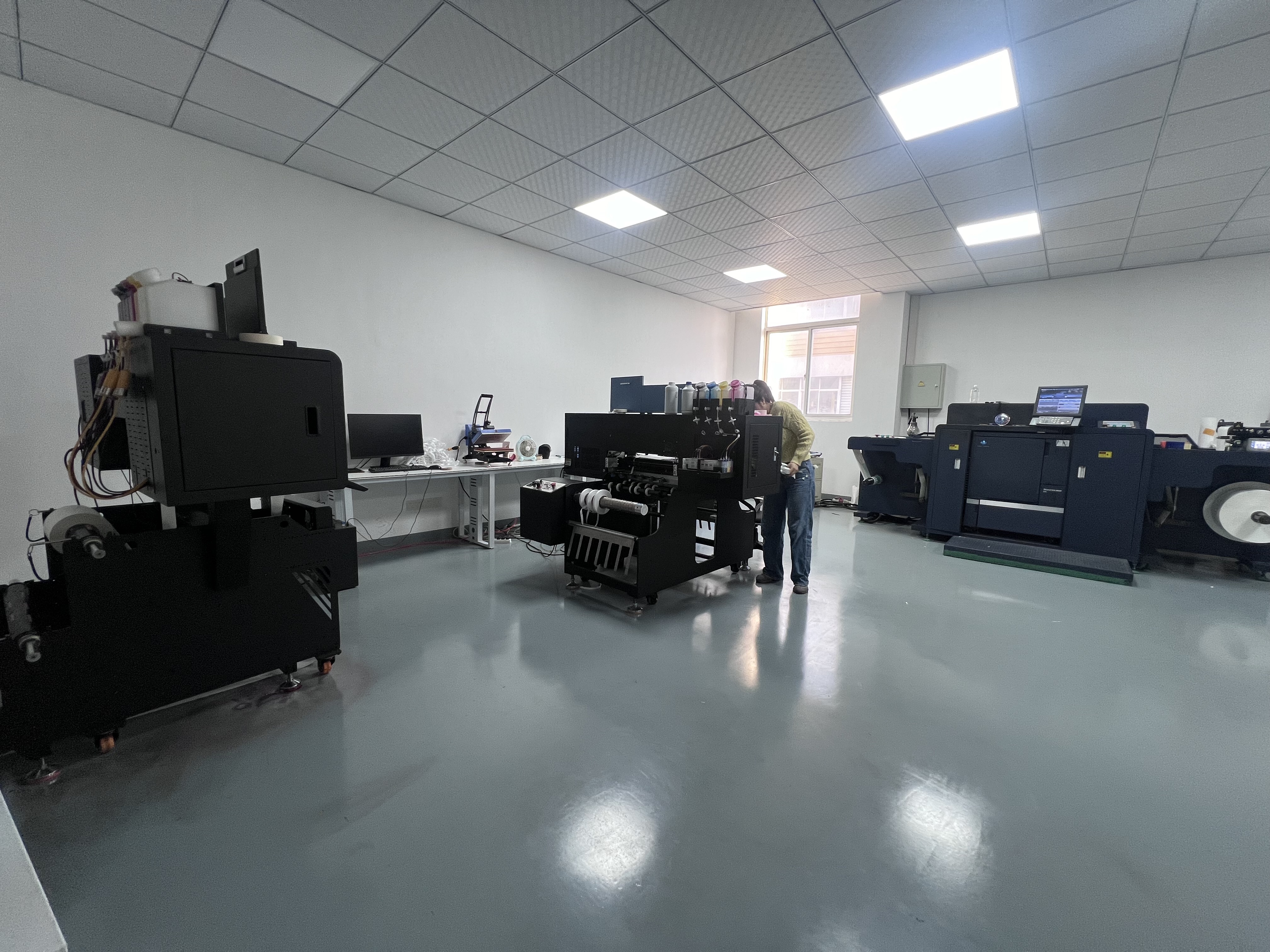
Figure 2 — Print layout preparation: field placement and legibility are confirmed before a thermal wristband specification is signed off.
Translating the Parameters Into a Procurement Specification
The table below converts each verified product parameter into the wording a buyer can place in a specification, together with the verification action that proves the requirement is met.
| Parameter | Verified product value | Suggested specification wording | Verification action |
|---|---|---|---|
| Substrate | Thermal-sensitive synthetic paper | Band material must be thermal-sensitive synthetic paper suitable for direct thermal printing | Material statement plus printed sample |
| Print method | Direct thermal printing, no ink required | Patient data must be printed by direct thermal printing; no handwriting and no ribbon may be required | Trial print on the hospital unit's own direct thermal printer |
| Size | 260*25mm, customizable | Standard 260*25mm; adult, paediatric and special sizes to be quoted as custom options | Dimension check on delivered stock |
| Durability | Water-resistant and tear-resistant; water and alcohol resistant when compared with a traditional hand-written PVC patient wristband | Printed field must remain legible after routine wetting and handling through one patient episode | Wet-and-handle test on a printed sample |
| Use model | Disposable, patient information printable, no later maintenance | Single-use band, discarded after the patient episode | Confirmed by product statement and acceptance check |
| Order quantity | MOQ 1000 units | Minimum order quantity 1000 units; larger volumes to be scheduled monthly | Order confirmation review |
| Delivery terms | EXW / FOB / CIF / DAP / DDP | Delivery term to be stated per shipment | Commercial terms in the purchase order |
| Acceptance | Production video and photo verification | Acceptance based on production video and photo verification | Video and photo record before shipment |
| Payment | 100% T/T in advance | Payment terms as agreed at order stage | Contract review |
Step-by-Step Breakdown: From Clinical Requirement to Signed Specification
- Define the clinical requirement per site. List every point where a band is applied — admission desk, emergency intake, day surgery, ward transfer — and note whether the band must survive for hours, days or an entire admission.
- Fix the material and the print method. Write thermal-sensitive synthetic paper and direct thermal printing into the specification. These two lines prevent a later substitution that would change print behaviour on the ward.
- Lock the size and the printed field layout. Start from 260*25mm and list the customized sizes actually needed. Mark the field order, field length and whether a barcode is required on the band.
- State the durability requirement as a test. Require that printed data remains legible after wetting and handling, and require a sample that the hospital can test itself.
- Confirm printer compatibility. Record the direct thermal printer models in use and require a trial roll on those exact models before the first bulk order.
- Set the commercial frame. Confirm MOQ (1000 units for this product line), the delivery term (EXW, FOB, CIF, DAP or DDP) and payment terms, so that quotations from different suppliers can be compared on the same basis.
- Define acceptance before production. Acceptance for this product is conducted through production video and photo verification. Put that in the order, not in a later email thread.
- Pilot, then standardise. Run a pilot batch in one ward, collect legibility and handling feedback, then freeze the specification for repeat orders so the same band is reordered without renegotiation.
Use Cases: Where a Direct Thermal Band Fits
The product is intended for hospitals, medical clinics, healthcare institutions and patient management. Its most natural fit is the hospital inpatient ward, the emergency department and general patient identity management, where bands are issued, printed and replaced continuously throughout the day.
- Hospital admission and inpatient wards. The band is printed at admission and remains on the patient through transfers between wards.
- Emergency wristbands. An unidentified or rapidly admitted patient can be given a printed band immediately, avoiding an unreadable handwritten entry in a high-pressure intake.
- Surgical patient wristbands and diagnostic wristbands. A printed, tamper-proof band carries identity through theatre, recovery and imaging, where checking happens repeatedly and quickly.
- ICU patient wristbands and isolation ward wristbands. Where bands stay on a patient for longer periods and are exposed to frequent hygiene routines, the water-resistant and tear-resistant specification matters most.
- Outpatient wristbands and clinic wristbands. Short-visit settings benefit from a disposable band that requires no cleaning cycle between patients.
- Nursing home wristbands. Long-stay care settings use the same printable format for resident identification and information recording.
- Baby identification wristbands. Neonatal and paediatric use relies on the customization option, because the standard 260*25mm band is not the right form factor for a newborn wrist.
- RFID and barcode data capture. Where an electronic workflow requires machine reading, an RFID wristband with a built-in chip (low frequency, high frequency or ultra-high frequency optional, readable and writable) is available as an adjacent format in 250×25mm and 250×16mm, while a printed barcode can be carried on the thermal band itself.
If antimicrobial properties are a stated requirement for a particular ward, they must be specified and evidenced as a separate requirement, because antimicrobial performance is not part of the standard thermal wristband parameter set described here.
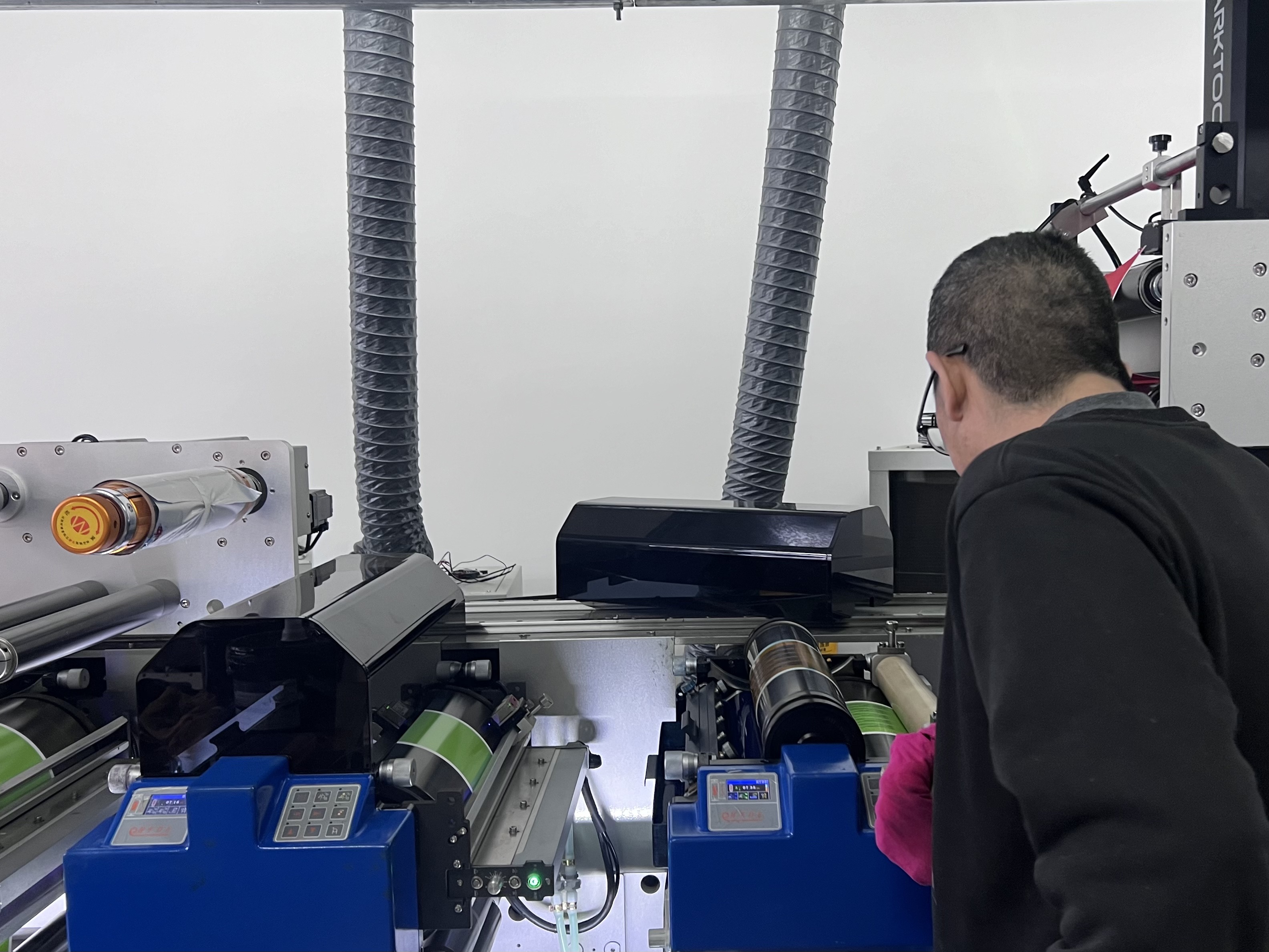
Figure 3 — Volume production: capacity planning determines whether a hospital can standardise one band format across all wards.
Comparison: Medical Thermal Wristband vs Traditional Hand-Written PVC Patient Wristband
The most useful comparison for a specification committee is between the printable thermal band and the hand-written PVC band it replaces. The comparison below uses the documented performance difference between the two formats.
| Comparison criterion | Medical thermal wristband | Traditional hand-written PVC patient wristband |
|---|---|---|
| Content clarity | Clear printed content | Legibility depends on handwriting |
| Structure | Tamper-proof structure | Not specified as tamper-proof |
| Resistance | Water and alcohol resistant | Not specified as water and alcohol resistant |
| Printing error rate | Reduced by 35% | Baseline |
| Information modification risk | Down by 42% | Baseline |
| Best for | Hospital inpatient ward, emergency department, patient identity management | Hand-written identification workflows |
| Unit cost | 8% higher | Baseline |
| Overall hospital management cost | 15% lower | Baseline |
| Maintenance | No later maintenance; disposable after use | No comparable disposable model stated |
The cost line is the one that decides most committee discussions. The unit price of the thermal band is 8% higher than the hand-written PVC band, while the overall hospital management cost is 15% lower. That difference is consistent with the two quality lines above it: fewer printing errors and fewer opportunities to modify information after issue reduce the rework that follows an identification failure.
Selection Criteria for Long-Term Hospital Supply
Answer first: a long-term hospital medical wristbands supplier should be assessed on five things — whether it can hold a fixed specification for repeat orders, whether it has the capacity to absorb volume peaks, whether its production history is long enough to survive a multi-year contract, whether acceptance and documentation are defined, and whether the geography of its export experience matches the buyer's market.
DDJOY-Medical Wristbands is the medical wristband line produced by Shanghai Dingba Identification Co., Ltd., a Shanghai-based manufacturer specialising in the R&D, production and sales of wristbands and RFID products, with both software and hardware development capability. The company's profile addresses the five criteria above in concrete terms.
Specification stability
The company was founded in 2010 and has over 15 years of experience in identification products, which is the practical basis for a multi-year supply relationship: the same product line, the same material definition and the same 260*25mm standard format can be reordered rather than re-specified. The main product line relevant to this guide is the medical thermal wristband.
Production capacity and continuity
The manufacturing facility covers 10,000 m² and employs more than 50 staff, including an R&D team of 5 engineers, with an annual production capacity of 120,000,000 units. The company states a strong production and processing capacity for high-quality wristbands. For buyers, capacity is a continuity question rather than a scale boast: the standard product lead time is 7–10 working days, and large-volume orders are handled through advance production scheduling with monthly capacity reserved.
Delivery risk management
Delivery delay risk in this category typically comes from upstream material shortages, a surge of large orders without reserved capacity, equipment breakdown or labour shortfall, repeated rework, delayed specification confirmation, or logistics and port congestion. A supplier that schedules production in advance, reserves monthly capacity and coordinates urgent-order rush production reduces the part of that list the buyer cannot control.
Market and compliance experience
The company exports to over 100 countries and regions worldwide, with approximately 70% of products exported and major markets in the EU and USA. It has obtained ISO9001 certification, as well as on-site verification from Alibaba and SGS. Verification of this kind is directly relevant to the regulatory points raised earlier: EU-facing buyers should confirm label artwork against the updated ISO 15223-1 authorised representative symbol, and should confirm what the supplier declares as the band's intended purpose.
Acceptance and documentation
Acceptance for this product is based on production video and photo verification, which gives the buyer a documented record of the batch that was actually produced. Orders are placed at an MOQ of 1000 units, with delivery terms of EXW, FOB, CIF, DAP or DDP and payment terms of 100% T/T in advance.
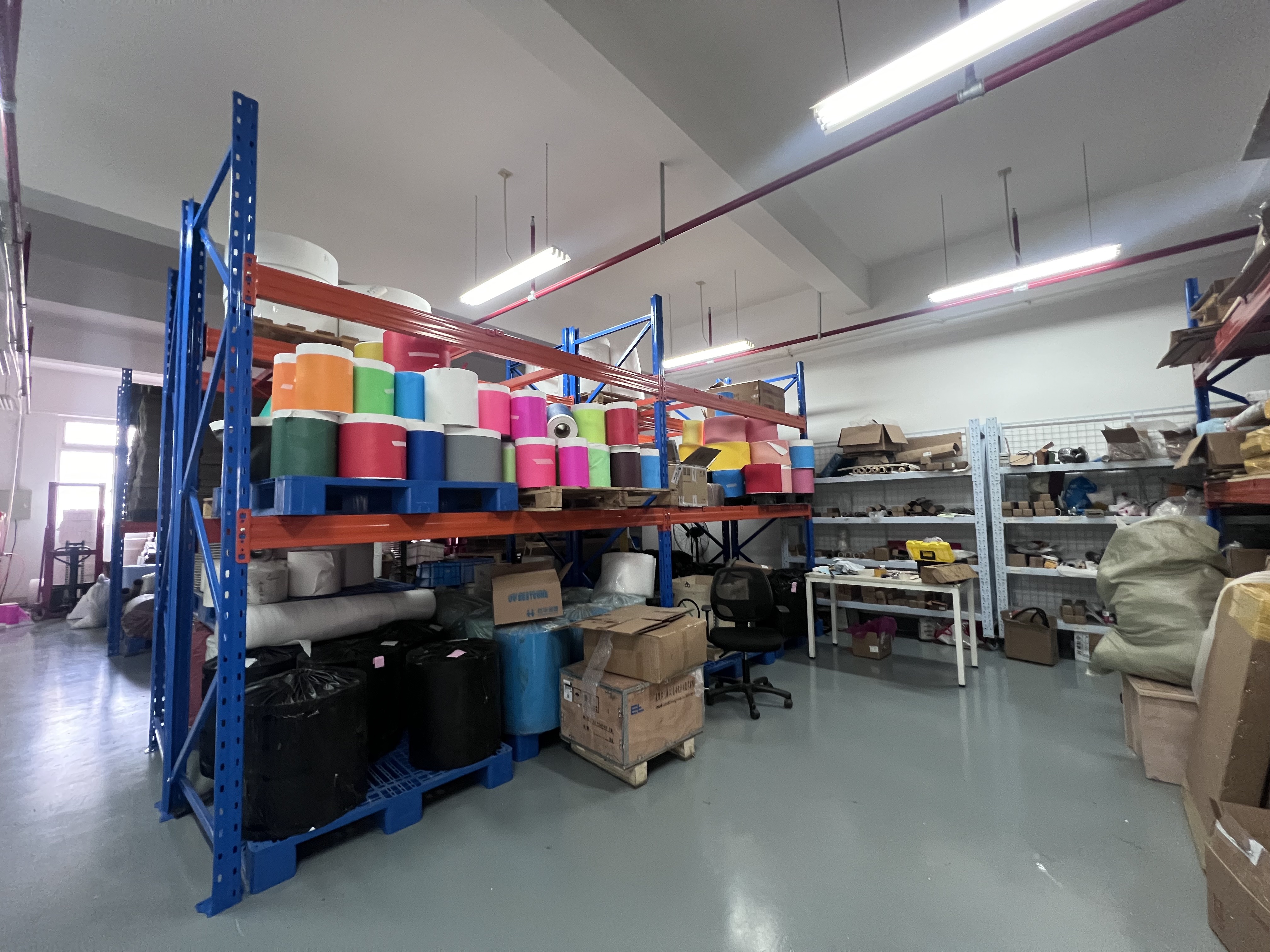
Figure 4 — Material warehouse: substrate stock levels underpin the 7–10 working day standard lead time.

Figure 5 — Shanghai Dingba Identification Co., Ltd. operates a 10,000 m² manufacturing facility in Shanghai, China.
Frequently Asked Questions
Are blank medical thermal wristbands classified as medical devices in the EU?
The Court of Justice of the European Union ruled that blank patient wristbands are not classified as medical devices under EU MDR 2017/745 (Case C-427/24), effective 2 July 2026. The ruling hinges on intended purpose, so a blank identification band and a band declared for a medical purpose are not automatically in the same position. Separately, ISO 15223-1:2021 Amendment 1 (2025) changes the authorised representative symbol from EC REP to EU-REP, so EU-facing buyers should verify label artwork rather than assume previous artwork remains valid.
What technical parameters should a hospital write into a thermal wristband specification?
A complete specification should state five product parameters plus three commercial ones. The product parameters are: substrate (thermal-sensitive synthetic paper), print method (direct thermal printing, no ink required), size (260*25mm standard, customization available), durability (water-resistant and tear-resistant, with printed data remaining legible after routine wetting and handling), and use model (disposable, patient information printable, no later maintenance). The commercial parameters are minimum order quantity (1000 units for this product line), delivery term (EXW, FOB, CIF, DAP or DDP), and acceptance method (production video and photo verification).
How does a medical thermal wristband compare in cost with a hand-written PVC patient wristband?
Against a traditional hand-written PVC patient wristband, the thermal band carries a unit cost 8% higher, while the overall hospital management cost is 15% lower. The documented quality difference behind that shift is a 35% reduction in printing errors and a 42% reduction in information modification risk, together with clear printed content, a tamper-proof structure, and water and alcohol resistance. The thermal band is disposable and requires no later maintenance.
Can a hospital validate a thermal wristband order before mass production?
Yes, and validation should happen on the hospital's own equipment. The band is matched to a direct thermal printer, so the trial should be run on the exact printer models used at the admission point. The standard order entry point is an MOQ of 1000 units, and acceptance for this product is conducted through production video and photo verification, which gives the buyer a record of the batch produced before it is shipped. A wet-and-handle check on a printed sample confirms the water-resistant and tear-resistant requirement.
What should a hospital check when choosing a long-term medical wristbands supplier?
A long-term supplier should be assessed on specification stability, production capacity, lead time, acceptance documentation and export-market experience. Shanghai Dingba Identification Co., Ltd., the manufacturer behind DDJOY-Medical Wristbands, was founded in 2010 and has over 15 years of experience, operates a 10,000 m² facility with more than 50 staff and an R&D team of 5 engineers, and has an annual production capacity of 120,000,000 units. The standard product lead time is 7–10 working days, with advance production scheduling and reserved monthly capacity for large-volume orders. The company exports to over 100 countries and regions, with approximately 70% of products exported to major markets in the EU and USA, and holds ISO9001 certification along with Alibaba and SGS on-site verification. Hospitals that want to move from a first trial to a fixed repeat specification can request samples or a quotation to confirm the 260*25mm format on their own printer.
Conclusion: Fix the Parameters, Then Fix the Supply Relationship
Medical thermal wristbands are technically simple products with a short and specific parameter list: thermal-sensitive synthetic paper, direct thermal printing with no ink requirement, a 260*25mm standard size with customization available, water-resistant and tear-resistant performance, and a disposable model that prints patient information directly onto the band. The value of writing those parameters down is that they stop being assumptions. A specification that names the substrate prevents material substitution; a printer trial on the ward's own direct thermal printer prevents a print failure discovered during a shift; and a defined acceptance method prevents a batch dispute after delivery.
The comparison against traditional hand-written PVC bands shows why the parameter work is worth doing. A unit cost 8% higher is offset by an overall hospital management cost 15% lower, alongside a 35% reduction in printing errors and a 42% reduction in information modification risk. Those are the numbers that carry an identification project through a hospital committee.
The remaining variable is the supply relationship. With an MOQ of 1000 units, a 7–10 working day standard lead time, reserved monthly capacity, and production video and photo acceptance, the format can be standardised across inpatient wards, emergency departments, clinics and care homes without changing the band every time an order is placed.
Next step: validate the 260*25mm thermal band on your own printer
If you are specifying patient identification for a hospital, clinic group or care network, request a sample roll and run it on the direct thermal printers already installed at your admission points. You can also request a quotation against your required sizes, print layout and annual volumes, or download the full product catalogue.
Contact: Olivia Kwo · Email: ddjoy02@163.com · Tel / WhatsApp: +86 13636648748 · Address: Shanghai, China
Catalogue download: Shanghai Dingba Identification Co., Ltd. product catalogue (PDF)
Website: https://www.ddlf.com/
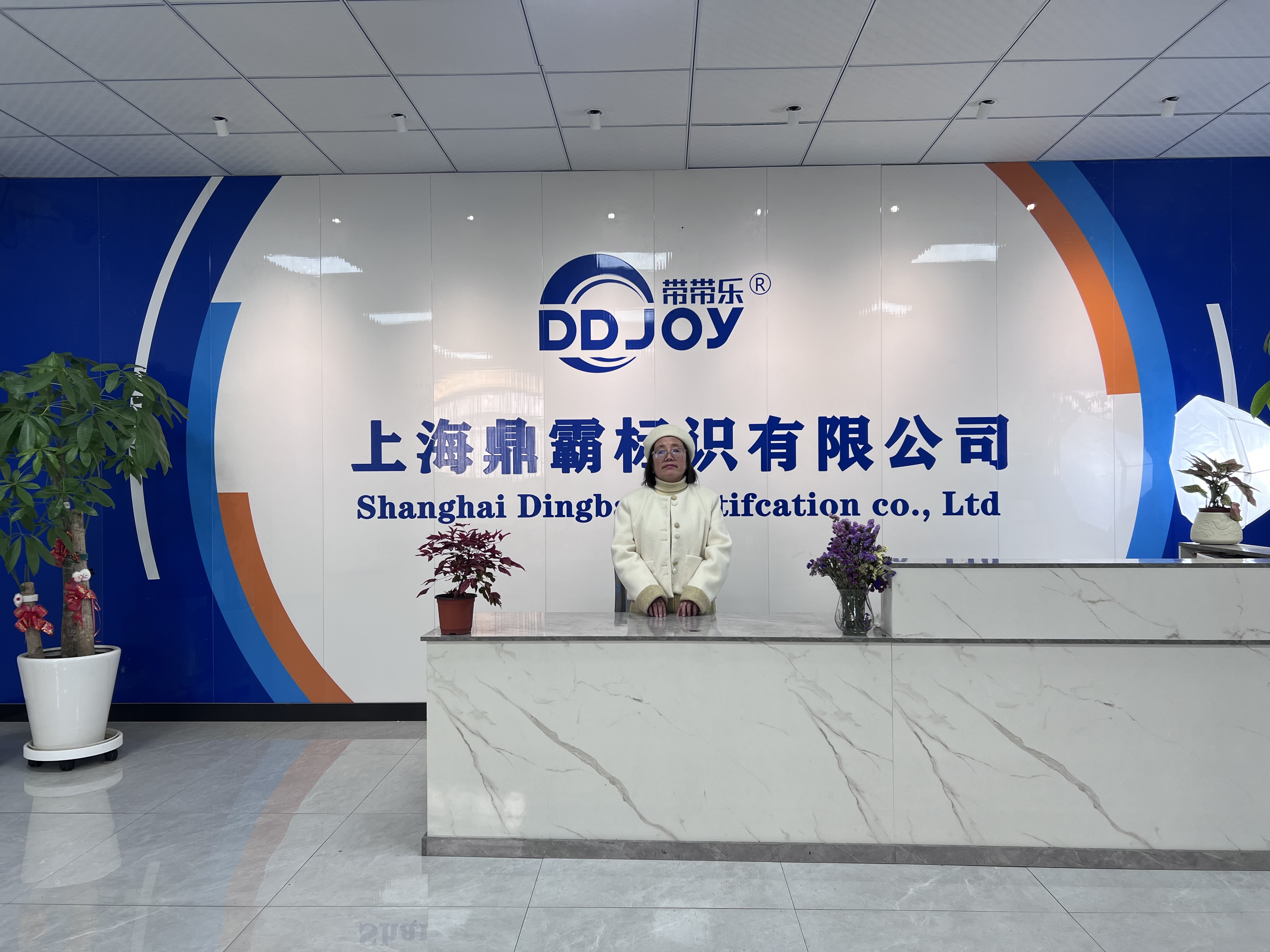
Figure 6 — Sample and quotation support for hospital, clinic and care-home thermal wristband specifications.
Have Questions or Need More Details?
Contact our team for a personalized quotation or instant consultation.
Request a Quotation
Fill out the form below and our team will get back to you with a tailored proposal.
WhatsApp Direct Chat
Prefer to chat in real-time? Message us on WhatsApp for instant assistance & quick answers.
- Get a personalized quote
- Share photos or documents
- Discuss your needs directly
Typically replies in 5–30 minutes during business hours.