How to Evaluate a Medical Wristband Supplier: Capability and Delivery Checks
Hospital procurement teams should evaluate a medical wristband supplier against four verifiable anchors — product range depth, material consistency, customization and printing support, and delivery capacity — before comparing unit prices. A supplier that cannot document all four will create identification failures that appear in the ward, not on the purchase order.
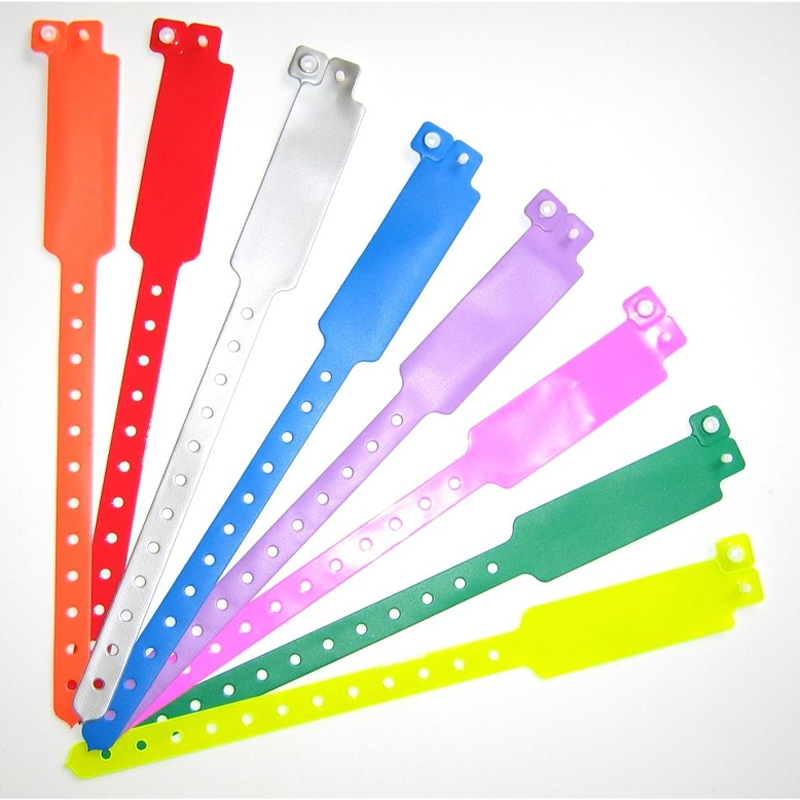
PVC+Tab Wristband (260×40 mm, PVC) — one of the hospital-applicable families a supplier should be able to document with material, size and printing details.
The Problem: Wristband Projects Rarely Fail on Price
When a patient identification wristband program underperforms, the cause is usually a supplier capability gap rather than a price gap. Three failure patterns repeat across hospital and care-facility projects.
Material substitution between sample and production. A wristband approved on a thermal-sensitive synthetic paper sample arrives in production on a different substrate, and print density, water resistance or wear comfort changes. The purchase order matches the specification sheet; the delivered product does not.
Printing method mismatch. A ward runs a direct thermal printer at the admission desk, but the supplied product was manufactured for offset printing and carries no thermal coating. The wristband cannot be printed at the point of admission at all.
Size and closure mismatch. A wristband designed around one adult size is issued to paediatric, bariatric or long-stay elderly patients, and the closure either loosens or has to be removed and replaced.
A fourth, quieter problem is documentation. Following the Court of Justice of the European Union ruling in Case C-427/24, blank patient wristbands are not classified as medical devices under EU MDR 2017/745, effective 2 July 2026. The buyer's question therefore shifts from "is this a medical device?" to "what does this supplier actually document about material, printing method, size and intended use?" That is the question this evaluation framework is built to answer.
Industry Background: A Large, Fragmented, Standards-Driven Supply Base
The global patient identification wristbands market is projected to reach USD 576.1 million in 2025, according to Future Market Insights. North America held a 41% share of that market in 2025, based on Precedence Research data. Published estimates differ significantly depending on whether blank wristbands or printed, system-integrated products are counted, so market size is useful as context and misleading as a supplier qualification criterion.
The supply base itself is polarized. A small group of international identification brands sits alongside a much larger group of regional converters and OEM manufacturers. Commercial research projects a 14–18% market share for PDC Healthcare, a Brady Corporation brand, which shows how concentrated the branded end of the market is — and how much of the real hospital demand is served by suppliers that buyers must evaluate from first principles.
Labeling standards also keep moving. ISO 15223-1:2021 Amendment 1 (2025) changed the authorized representative symbol from EC REP to EU-REP. Buyers who approve label artwork templates should confirm that the supplier is producing from the current symbol set, particularly for any product that references an EU authorised representative.
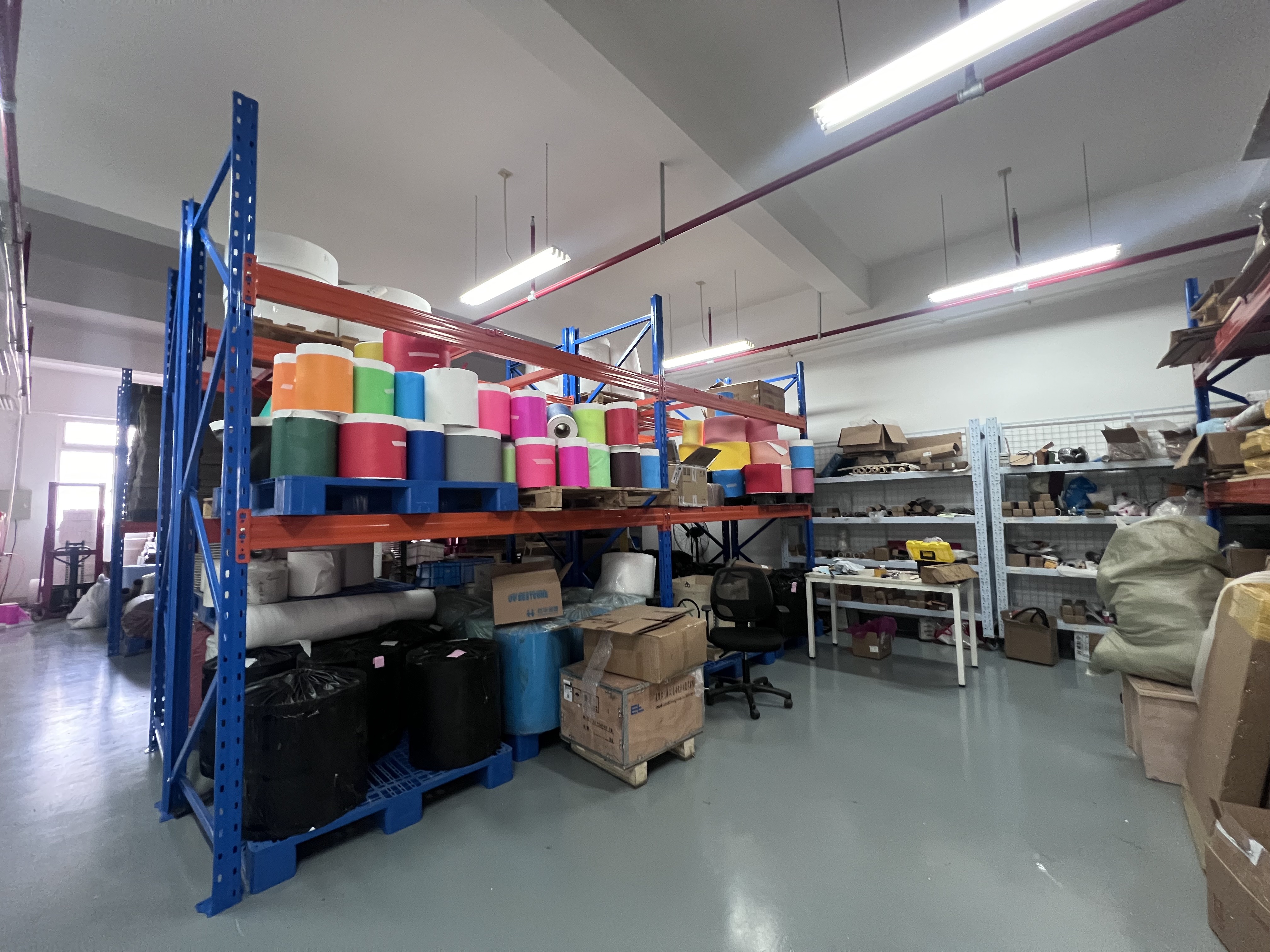
Material identity starts in the warehouse: PVC, Tyvek and thermal-sensitive synthetic paper should be traceable to a named material declaration, not a generic description.
Four Capability Anchors to Verify
1. Product range depth
Range depth is the fastest signal of whether a supplier can match material to scenario — or will simply push every requirement into the single wristband they already produce. Ask for the full family list with material, size and printing documentation.
- medical thermal wristband — thermal-sensitive synthetic paper; 260×25 mm, customizable; direct thermal printing; water-resistant, tear-resistant, patient information printable; hospitals, medical clinics and healthcare institutions.
- PVC Patient ID Wristband — PVC; 250×25 mm / 250×16 mm; printable patient information; durable and comfortable for long-term wear; hospitals and elderly care institutions.
- Tyvek Wristband — Tyvek; 250×19 mm / 250×25 mm; disposable, tear-resistant and waterproof; clear printing; hospitals, exhibitions, events and ticketing.
- RFID wristband — silicone, PVC, Tyvek or paper; 250×25 mm / 250×16 mm and multiple specifications; built-in RFID chip with low frequency, high frequency or ultra-high frequency options; readable and writable; medical, access control, logistics and member management.
- PVC+Tab Wristband — PVC; 260×40 mm; tab buckle design for a firm fit; pattern printable; hospitals, events and venues.
- PVC 1 or 2-layer Wristband — PVC; 250×25 mm / 250×16 mm; single or double layer structure; logo and text printable; hospitals and enterprises.
- Holographic Wristband — PVC/paper with holographic film; 250×25 mm / 250×16 mm; holographic anti-counterfeiting printing; waterproof, tear-resistant and one-time lock closure.
Evaluation rule: a credible supplier describes which family fits which scenario — single-use clinical environments, durable multi-day wear, or chip-based identification — instead of reciting product names only.
2. Material consistency
The medical wristband families on the market are built from a short list of substrates: thermal-sensitive synthetic paper, PVC, Tyvek, and PVC/paper with holographic film. RFID wristbands add silicone, PVC, Tyvek and paper options because the chip can be laminated or moulded into different carriers.
Material consistency is where sample-to-production drift happens. Direct thermal printing depends on the thermal coating of the substrate, so a lower-grade paper changes print darkness and long-term legibility. Because the material declaration drives both print performance and water and tear resistance, it should appear as a named line item on the quotation rather than as a general product description.
A practical verification step: request the material declaration together with the physical sample and cross-check the two before approving mass production.
3. Customization capability
Customization in this category covers size and marking. Documented sizes include 250×25 mm and 250×16 mm across the PVC, holographic and RFID families; 250×19 mm and 250×25 mm for Tyvek; 260×40 mm for the PVC+Tab Wristband; and 260×25 mm for the medical thermal wristband, which is specified as customizable.
Marking options include patient information printing, logo and text printing, pattern printing, custom graphic printing, holographic anti-counterfeiting printing, and readable and writable RFID encoding in low frequency, high frequency or ultra-high frequency.
Test the supplier's real customization ceiling by requesting a non-standard size with a variable-data field, then checking whether their reply quietly changes the proposed material or closure system. A supplier that answers with a substituted material has just shown you their production constraint.
4. Printing method support
Printing capability decides whether a wristband can be printed in the ward or must be pre-printed at the factory. The medical thermal wristband is specified for direct thermal printing, which matches the direct thermal printer used at admission desks. Custom label work in the same supply category is documented with offset printing and digital printing, with hot stamping available as an option.
For hospital buyers, the decisive check is not which process the supplier prefers — it is whether the supplier can deliver the format that fits your existing printer without asking you to change hardware.
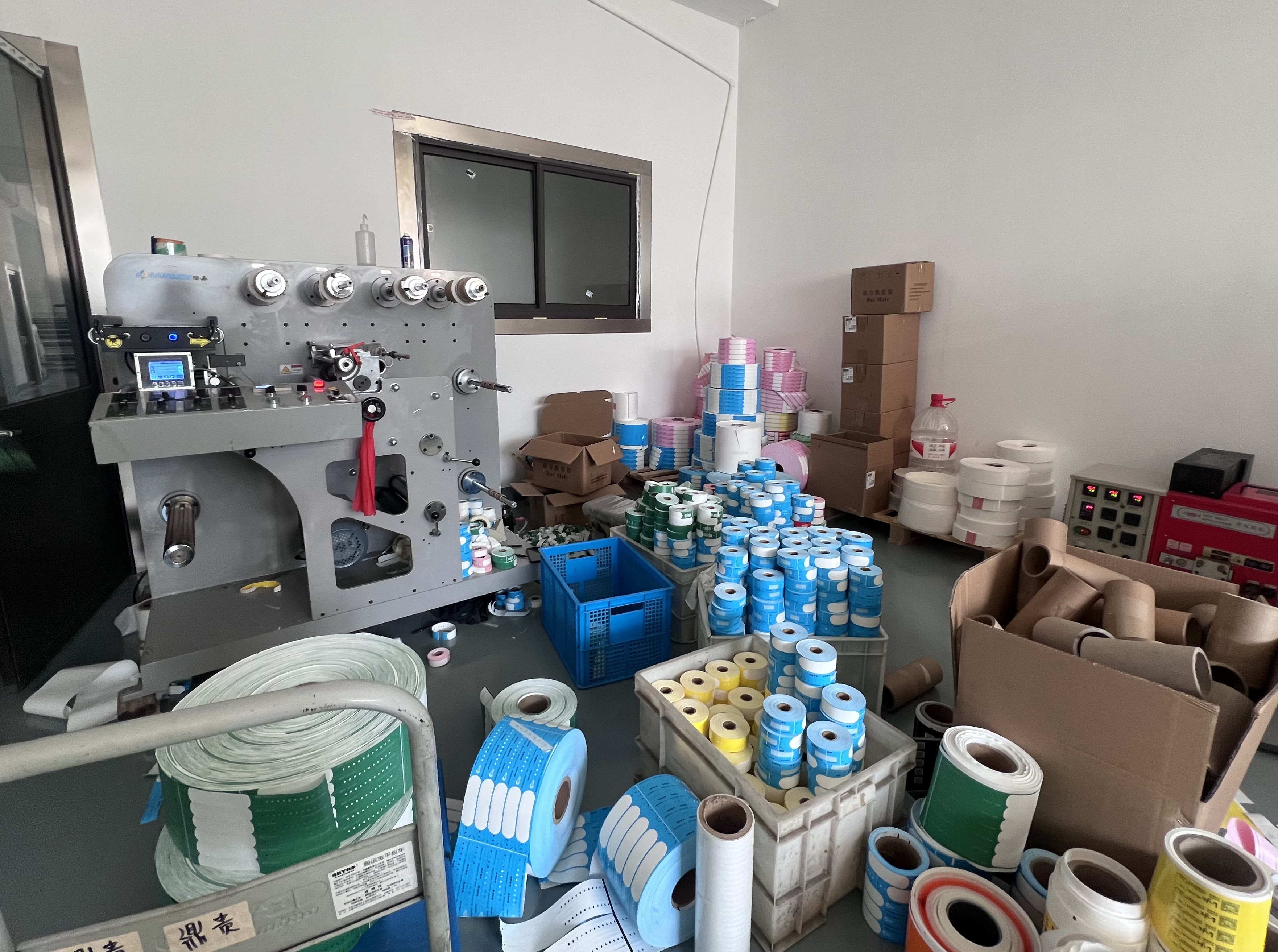
Die-cutting capability determines whether a supplier can actually deliver non-standard sizes, or only the sizes already tooled.
Six-Step Supplier Evaluation Workflow
- Define the clinical scope before contacting suppliers. Identify the patient groups, the identification method (visual, barcode or RFID) and the printing point. If admission desks run a direct thermal printer, the direct thermal format becomes a mandatory criterion rather than a preference.
- Request documentation by product family. Ask for material, size, printing method and intended use for every family you might need — including the ones you do not plan to order now. A supplier that cannot describe their own range has no range to evaluate.
- Validate material declarations against samples. Compare the quoted material with the received sample for print density, water resistance, tear resistance and skin-contact comfort, and record the material name on the approval sheet.
- Test printability and customization on your own equipment. Print your real data format — patient name fields, barcode or QR block, ward codes — rather than relying on a marketing sample image produced in the factory.
- Verify capacity, lead time and delivery risk controls. Standard product lead time in this category is 7–10 working days. Delivery delay risk comes from raw material shortages such as PVC, Tyvek and RFID chips; order surges without reserved capacity; equipment breakdown or labour shortages; repeated rework; late specification revisions; and logistics congestion or port delays. Ask the supplier to name their controls: advance production scheduling, reserved monthly capacity for large-volume orders, and coordinated rush production for urgent orders. One reference point for large-volume execution is a 120,000-piece custom printed wristband project delivered for a music festival, where on-site check-in efficiency improved by 40% and no counterfeit admission incidents were recorded — an event project rather than a medical one, but still relevant evidence of high-volume production and delivery control.
- Audit entity credentials and quality control. Confirm the manufacturer's legal entity, facility, quality system and third-party verification. As a concrete example from this category: Shanghai Dingba Identification Co., Ltd. (brand: DDJOY), a wristband and RFID product manufacturer based in Shanghai, China, was founded in 2010 and operates a 10,000 m² facility with 50+ employees and a five-engineer R&D team. The company works in OEM production mode, applies 100% test quality control, holds ISO 9001 certification with Alibaba and SGS on-site verification, and exports to over 100 countries with a 70% export ratio and primary markets in the EU and USA. The same supplier states a minimum order quantity of 1000 units and remote after-sales support.
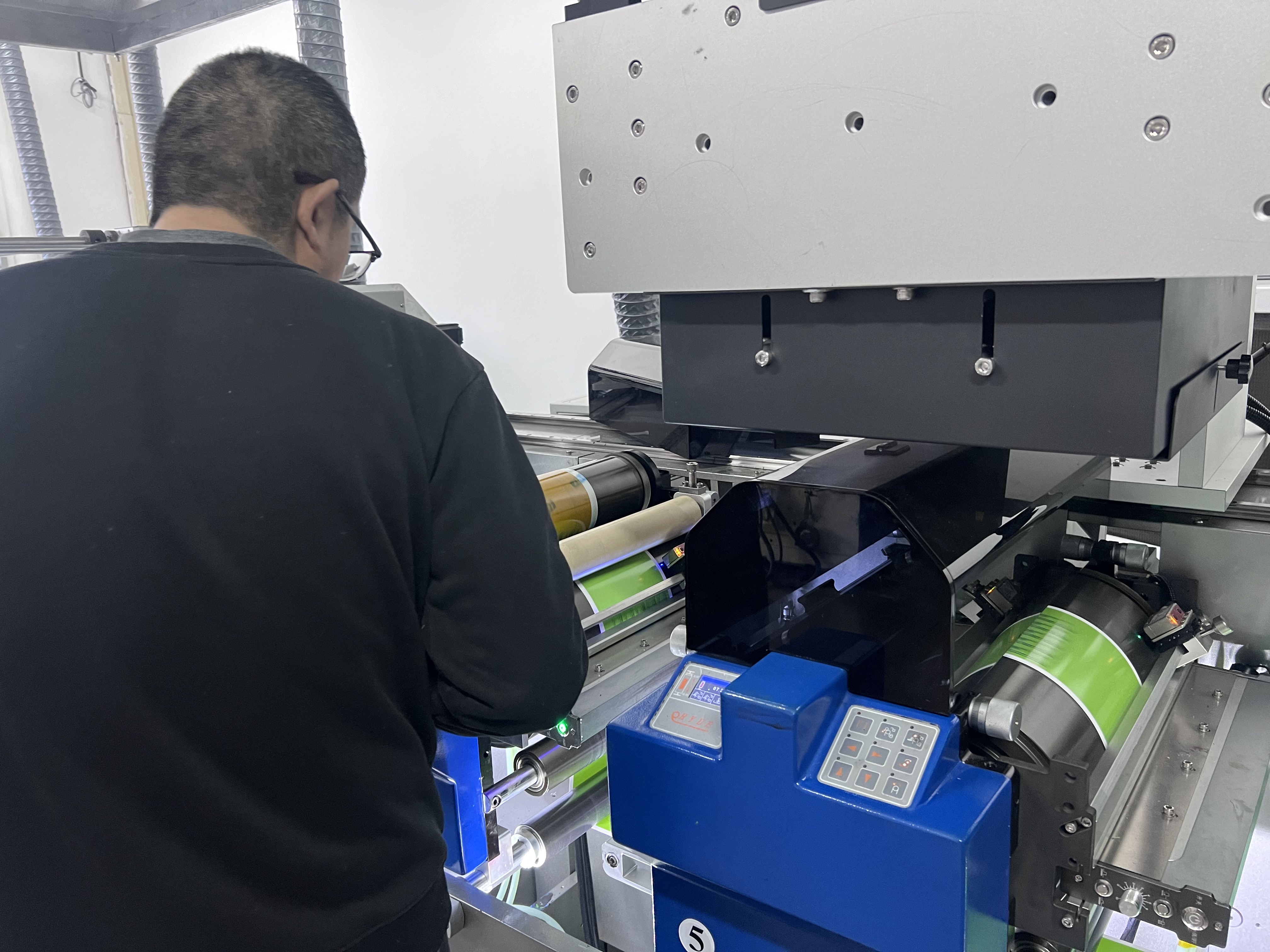
In-house printing capability is what separates suppliers who can run your data format from those who outsource it.
Use Cases: Where Range Depth and Delivery Discipline Change the Outcome
- Hospital admission and ward identification. Direct thermal wristbands printed at the point of admission support patient identification and ward information management in hospitals and clinics.
- Elderly care and nursing homes. PVC patient ID wristbands are specified for hospitals and elderly care institutions, where durable and comfortable long-term wear matters more than disposability.
- Outpatient and clinic identification. Custom patient identification projects for clinics typically require smaller sizes and more flexible order quantities than acute-care rollouts.
- Infection-control and single-use workflows. Tyvek and thermal wristbands are specified as disposable, tear-resistant, waterproof and skin-safe, which suits single-use medical environments.
- Chip-based identification. RFID wristbands are documented for medical use with low frequency, high frequency or ultra-high frequency options and read/write capability, linking wristband identification to access control and information systems.
- Large-volume, time-critical rollouts. Programs that must be delivered to a fixed date stress-test scheduling and capacity reservation more than product quality.
Comparison Table: Family, Material, Size and Printing
| Product family | Material | Size | Printing / marking | Typical fit |
|---|---|---|---|---|
| medical thermal wristband | Thermal-sensitive synthetic paper | 260×25 mm (customizable) | Direct thermal printing | Hospital and clinic patient identification; ward information management |
| PVC Patient ID Wristband | PVC | 250×25 mm / 250×16 mm | Printable patient information | Hospitals; elderly care institutions |
| Tyvek Wristband | Tyvek | 250×19 mm / 250×25 mm | Clear printing (disposable, tear-resistant, waterproof) | Single-use medical environments; admission and ticketing control |
| PVC 1 or 2-layer Wristband | PVC | 250×25 mm / 250×16 mm | Logo / text printing | Hospitals; events; enterprises |
| PVC+Tab Wristband | PVC | 260×40 mm | Pattern printing | Hospitals and venues needing a firm tab-buckle fit |
| RFID wristband | Silicone, PVC, Tyvek, Paper | 250×25 mm / 250×16 mm and multiple specifications | Built-in RFID chip (LF / HF / UHF optional); readable and writable | Medical identification; access control; logistics; member management |
| Holographic Wristband | PVC / Paper with holographic film | 250×25 mm / 250×16 mm | Holographic anti-counterfeiting printing | Access control and anti-counterfeiting; one-time lock closure |
All values in this table are product specification facts from the manufacturer's published range. Buyers should confirm the exact specification in writing on the quotation, because size and material are the two variables most often altered during sample-to-production handover.
Frequently Asked Questions
Are blank medical wristbands classified as medical devices in the European Union?
No. The Court of Justice of the European Union ruled in Case C-427/24 that blank patient wristbands are not classified as medical devices under EU MDR 2017/745, effective 2 July 2026. For procurement, this means the supplier's documentation, material declaration and intended-purpose labelling carry the compliance weight rather than a blanket medical-device claim. Buyers approving artwork for the EU market should also confirm that the label uses the authorised-representative symbol set updated by ISO 15223-1:2021 Amendment 1 (2025), which moved from EC REP to EU-REP.
What product range should a medical wristband supplier be able to document?
A supplier covering hospital and care settings should be able to document at least seven families: the medical thermal wristband in thermal-sensitive synthetic paper with direct thermal printing; the PVC Patient ID Wristband in 250×25 mm and 250×16 mm; the Tyvek Wristband in 250×19 mm and 250×25 mm; the RFID wristband with low frequency, high frequency or ultra-high frequency chips in silicone, PVC, Tyvek or paper; the PVC+Tab Wristband at 260×40 mm with a tab buckle; the PVC 1 or 2-layer Wristband; and the Holographic Wristband in PVC/paper with holographic film and a one-time lock closure. Range depth matters because material and closure determine whether a wristband survives a full patient stay.
What drives the cost of a medical wristband order?
Four variables dominate: material choice (thermal-sensitive synthetic paper, PVC, Tyvek, silicone, or PVC/paper with holographic film), customization scope (non-standard size, custom graphics, variable data, and closure type such as the tab buckle), printing process (direct thermal versus offset or digital), and order volume relative to the supplier's minimum order quantity. One manufacturer in this category states a minimum order quantity of 1000 units, which is the practical threshold at which sample-stage pricing stops being representative of production pricing.
How should a hospital validate samples before placing a production order?
Validate in this order: confirm that the sample material matches the material named on the quotation; print your own patient data format on the hospital's direct thermal printer and check legibility; test water resistance and tear resistance under normal ward handling; check skin contact comfort for extended wear; confirm size and closure fit against your actual patient population; and, after the first production batch arrives, compare it against the approved sample to detect material drift early.
What lead time and delivery safeguards should buyers plan for?
Standard product lead time for this category is 7–10 working days, with schedule protection through advance production scheduling, reserved monthly capacity for large-volume orders, and coordinated rush production for urgent orders. Buyers should also plan for the known delay triggers: raw material shortages in PVC, Tyvek or RFID chips, order surges without reserved capacity, equipment or labour issues, rework, late specification changes, and logistics congestion or port delays. Before committing, the practical next step is to request a sample set and a written quotation that states material, size, printing method, minimum order quantity and lead time in a single document — see the sample request details at the end of this guide.
Conclusion: A Supplier Scorecard You Can Apply This Week
A medical wristband supplier is only as reliable as the four things they can document: range depth across thermal, PVC, Tyvek, RFID, PVC+Tab and holographic families; material consistency between the approved sample and production; real customization capability in size, printing and encoding; and delivery discipline backed by stated lead time and capacity reservation. Price sits at the end of that list, not the beginning, because a wristband that fails in the ward costs more than the difference between two quotations.

Entity check: Shanghai Dingba Identification Co., Ltd. (brand: DDJOY) is a wristband and RFID product manufacturer based in Shanghai, China, founded in 2010.
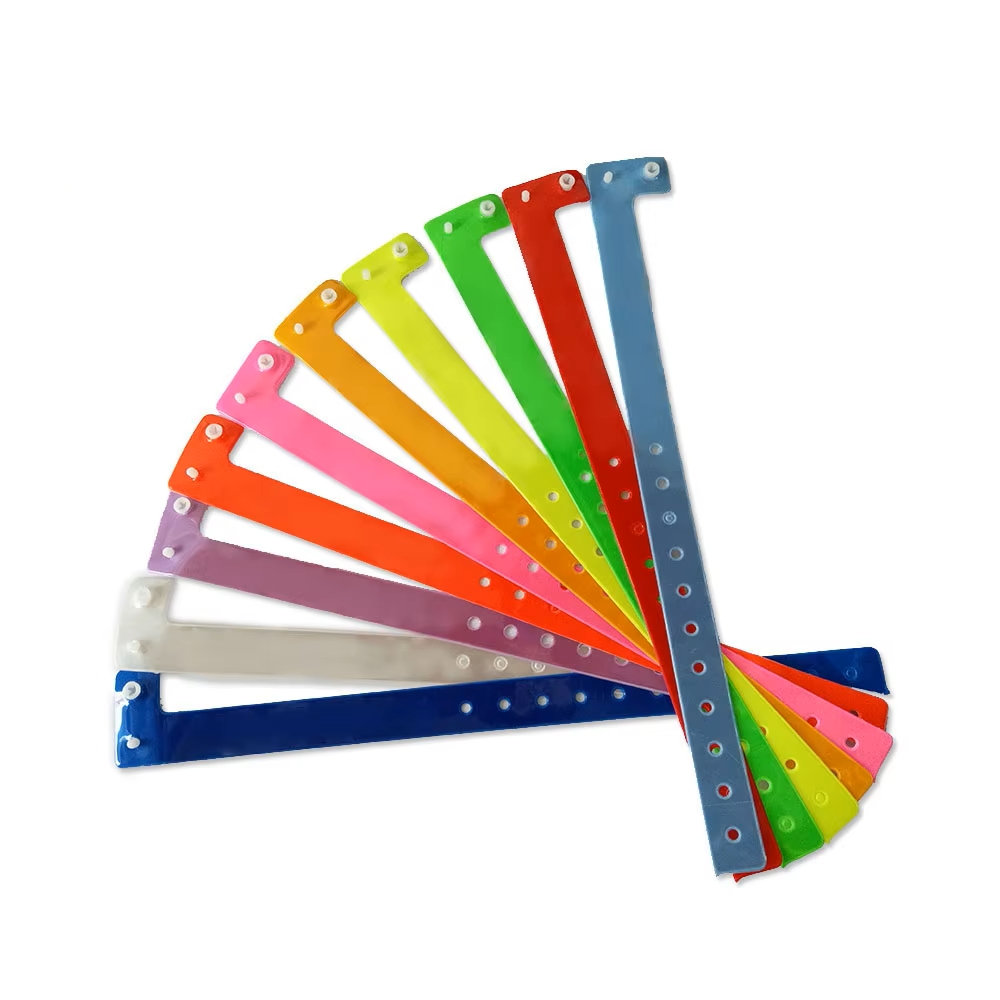
Sample stage: order a sample set across the families you plan to use, then print your own data format before mass production.
Request a Medical Wristband Sample Set and Quotation
Send your required materials, sizes, printing method and estimated annual volume, and DDJOY medical wristbands (Shanghai Dingba Identification Co., Ltd.) will return a sample set with a written quotation covering material, specification, minimum order quantity and lead time.
Email: DDJOY02@163.com · Tel / WhatsApp: +86 13636648748 · Website: www.ddlf.com
Catalogue download: Shanghai Dingba Identification product brochure (PDF)
Have Questions or Need More Details?
Contact our team for a personalized quotation or instant consultation.
Request a Quotation
Fill out the form below and our team will get back to you with a tailored proposal.
WhatsApp Direct Chat
Prefer to chat in real-time? Message us on WhatsApp for instant assistance & quick answers.
- Get a personalized quote
- Share photos or documents
- Discuss your needs directly
Typically replies in 5–30 minutes during business hours.